10 Key Factors in Modern Rocket Design: Propulsion, Reusability, and the Future of Space Launch
Designing a rocket is one of the most complex engineering challenges in modern space exploration. It requires a careful balance of performance, reliability, safety, and cost. Rockets must withstand intense forces during launch, operate efficiently in extreme environments, and deliver payloads with precision, whether placing satellites into orbit or supporting deep space missions.
Key considerations start with propulsion: selecting the right engines and fuel to meet mission-specific thrust and efficiency needs. Material choice is equally vital. Engineers must balance strength, weight, and heat resistance to ensure the rocket can survive launch and re-entry. Payload capacity affects everything from size and staging to structural design, while safety systems must be designed to handle failure scenarios and protect both mission objectives and human life, when applicable.
Sustainability is becoming an increasing priority. Engineers are exploring reusable systems and environmentally friendly fuels to cut environmental impact and reduce costs. Every rocket results from thousands of design trade-offs, guided by physics and driven by innovation.
From launch pads to low Earth orbit and beyond, rocket design is central to space operations, blending science, precision, and imagination to turn the impossible into reality.
1. Mission Objectives and Payload Requirements
The core of any rocket design begins with a clear understanding of the mission’s goals. These objectives shape the rocket’s configuration, capabilities, and performance criteria, influencing everything from propulsion systems to structural design.
Payload Type: The nature of the payload, whether it's a communications satellite, a crewed spacecraft, scientific instruments, or cargo for the International Space Station, determines many design parameters. Crewed missions, for instance, require life support systems and enhanced safety features, while scientific missions may demand precision in trajectory and vibration control.
Target Orbit or Destination: The mission’s destination plays a vital role in planning the propulsion system. Launching to low Earth orbit (LEO) requires less energy than reaching geostationary orbit (GEO) or interplanetary targets like the Moon or Mars. The selected orbit influences engine choice, staging requirements, and fuel capacity.
Payload Mass: The mass of the payload is one of the most critical constraints. Heavier payloads demand more thrust and fuel, often resulting in larger rockets with multiple stages. This affects cost and design, prompting engineers to find best solutions balancing weight, efficiency, and reliability.
For example, SpaceX’s Falcon Heavy is designed for heavy payloads to GEO or beyond, while Rocket Lab’s Electron is suited for lighter payloads into LEO. Ensuring the rocket matches its mission guarantees both performance and cost-efficiency, making payload requirements a key starting point in the design process.
2. Propulsion Systems
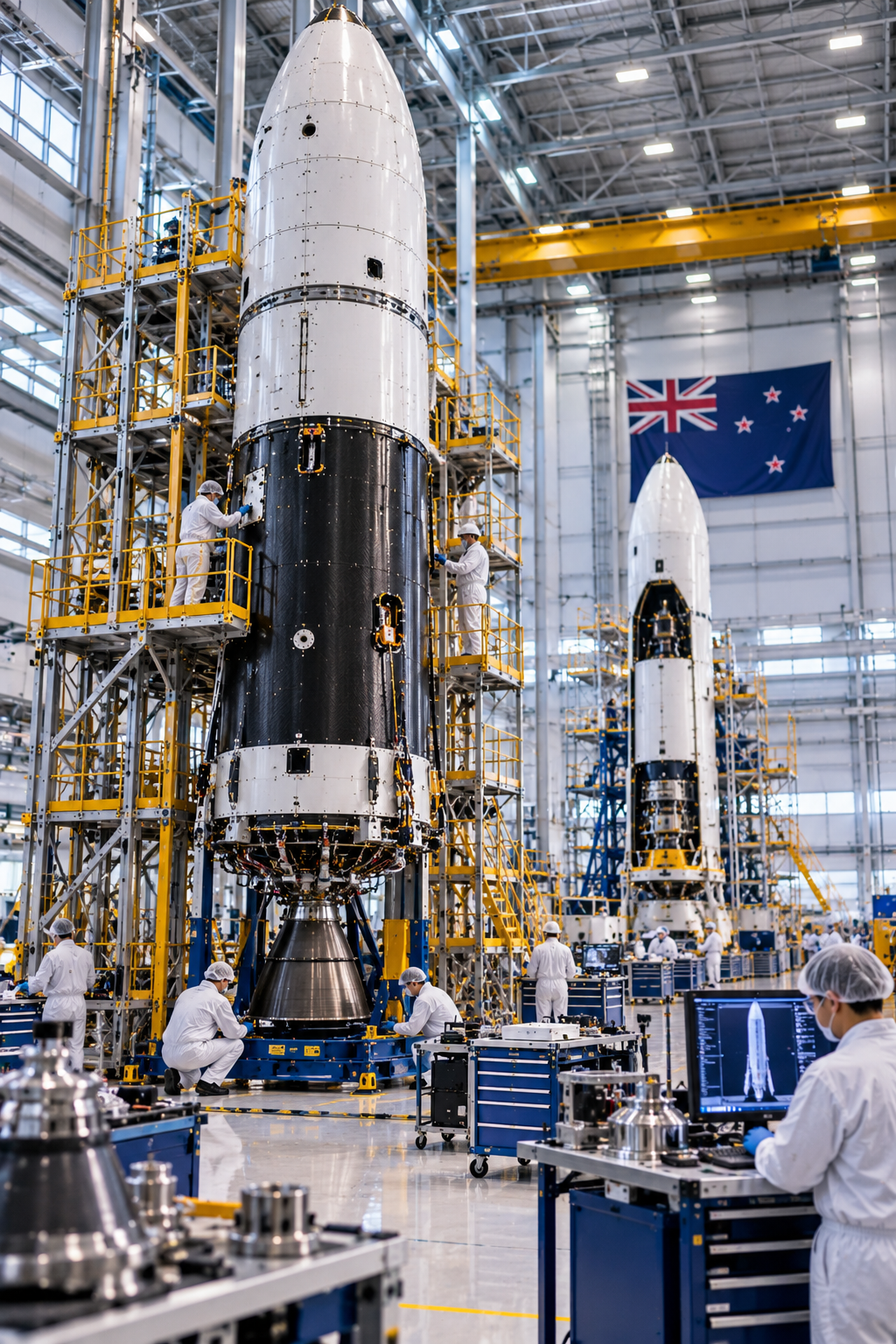
The propulsion system is the main driver of a rocket’s performance, responsible for generating the thrust needed to escape Earth’s gravity and complete mission objectives. Selecting the right propulsion setup is crucial for balancing power, efficiency, and reliability.
Engine Type: Most rockets rely on either liquid or solid propulsion systems, each with their own advantages.
Liquid Propulsion: These engines offer high efficiency and precise control, making them suitable for complex missions. They can be throttled, shut down, and restarted mid-flight. For example, SpaceX’s Raptor engine uses a mix of liquid methane and liquid oxygen (methalox), enabling high performance and reusability.
Solid Propulsion: These engines are simpler and more durable, providing instant thrust once ignited. However, they cannot be throttled or shut down, which limits their flexibility. Solid propulsion is typically used in boosters and military applications due to its reliability and low maintenance.
Staging: Multistage rocket designs improve efficiency by shedding unnecessary weight during ascent. The first stage provides the initial thrust to break through Earth’s lower atmosphere, while upper stages are designed for vacuum conditions to complete orbital insertion or deep-space trajectories.
Specific Impulse (Isp): Specific impulse measures how efficient a propulsion system is. Engineers aim to maximise Isp while providing enough thrust, carefully choosing fuel types, engine design, and mission profiles to enhance overall performance.
Together, these propulsion factors determine how a rocket reaches space and how effectively it accomplishes its mission.
3. Structural Design and Materials
The structural design of a rocket is crucial for mission success, ensuring the vehicle is strong enough to survive launch while remaining as lightweight as possible to optimise performance and minimise costs. This balance between strength and weight is fundamental to aerospace engineering.
Material Selection: Rockets are built from advanced materials that offer high strength-to-weight ratios. Common options include carbon fibre composites, titanium alloys, and aluminium-lithium alloys. These materials enable engineers to construct structures that withstand intense forces without unnecessary mass, as every kilogram saved means greater payload capacity or improved fuel efficiency.
Aerodynamics: The shape of the rocket is meticulously designed to reduce drag during ascent through the atmosphere. A sleek, streamlined profile, including an aerodynamically optimised nose cone, payload fairings, and stabilising fins, minimises resistance and enhances fuel efficiency. Aerodynamic analysis is vital for stability and performance during the high-speed climb.
Vibration and Stress Management: During liftoff, rockets endure extreme vibrations, acoustic loads, and dynamic forces. These stresses come from engine combustion, aerodynamic pressure, and rapid acceleration. Engineers utilise advanced simulation tools and physical tests, such as vibration tables and structural load assessments, to ensure all components can withstand the harsh launch environment.
Together, material science, structural engineering, and aerodynamic optimisation form the foundation of rocket integrity. A well-designed structure not only guarantees mission reliability but also enables cost-effective access to space by reducing waste and boosting performance.

4. Power and Control Systems
A rocket’s power and control systems are crucial for ensuring mission accuracy, stability, and safety from launch to orbital insertion. These systems work together to guide the rocket, manage onboard operations, and communicate with ground control.
Guidance Systems: Precise navigation is achieved through a combination of inertial navigation systems (INS), gyroscopes, accelerometers, and sometimes GPS. These systems track the rocket’s position and velocity in real-time, allowing for accurate trajectory adjustments. Advanced software algorithms process data from onboard sensors to modify flight paths and ensure the vehicle stays on its planned course, even in rapidly changing conditions.
Avionics: Avionics systems act as the rocket’s central nervous system. Onboard computers control engine burns, stage separations, and system diagnostics, and relay telemetry data back to mission control. These components need to be lightweight, compact, and highly reliable. Due to operating in extreme conditions, including radiation in space, they are often radiation-hardened and fitted with redundant backups to prevent single-point failures.
Power Supply: Reliable power systems are vital for supporting avionics, sensors, and control systems throughout all phases of the mission. Most rockets utilise high-performance lithium-based batteries, with power management systems ensuring stable voltage delivery. In some cases, auxiliary power units or solar arrays are employed for longer missions or upper-stage operations.
Together, power and control systems enable rockets to fly accurately, respond to anomalies, and complete missions with precision. They are the unseen but essential infrastructure that guarantees every launch proceeds safely and successfully.
5. Safety and Reliability
Safety and reliability are fundamental to rocket design, especially when human lives or high-value payloads are involved. A single failure can result in mission loss, infrastructure damage, or catastrophic consequences for crewed missions. Engineers focus on designing robust systems and conducting rigorous testing to ensure dependable performance under extreme conditions.
Redundancy: A key approach to boosting reliability is system redundancy. Critical components, such as avionics, propulsion controls, and power systems, are often duplicated or even triplicated. If the primary system fails, backups automatically take over, significantly reducing the risk of mission failure. This method is standard in crewed and uncrewed launches, particularly for complex or long-duration missions.
Escape Systems: For crewed missions, safety features include Launch Escape Systems (LES), which are designed to carry astronauts safely if a significant anomaly occurs. Spacecraft like NASA’s Orion and SpaceX’s Crew Dragon have built-in abort systems that quickly separate the crew module from a failing rocket and deploy parachutes for a safe landing.
Comprehensive Testing: No rocket is launched without passing a series of pre-flight tests. These include static fire tests of engines, wind tunnel experiments to verify aerodynamics, and vibration tests to simulate launch stresses. These trials help engineers identify and fix potential issues before the rocket leaves the ground.
In aerospace, where the margin for error is extremely slim, prioritising safety and reliability ensures each launch supports the long-term success and sustainability.
6. Environmental Factors
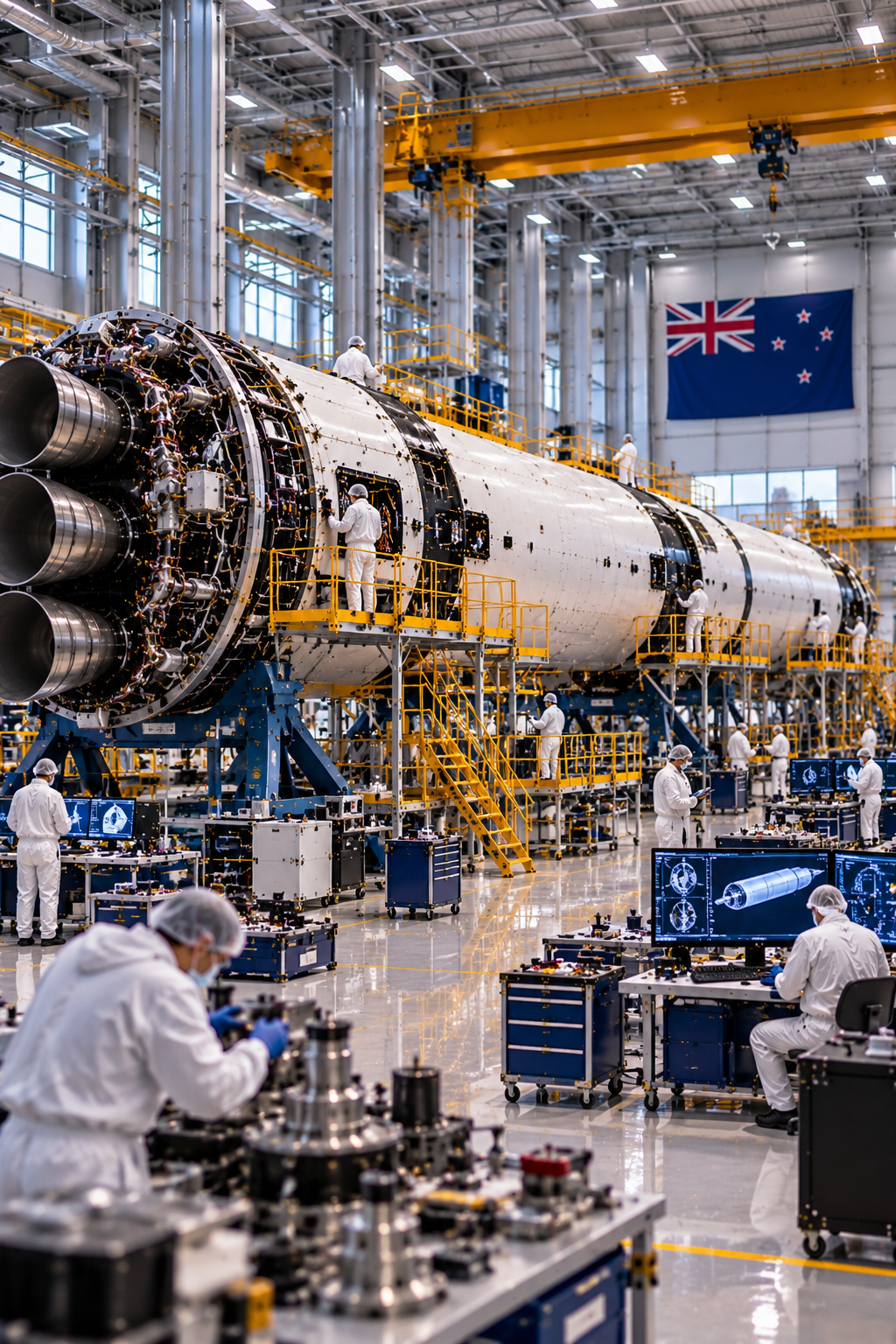
Rockets must operate reliably across a broad spectrum of extreme environmental conditions, from the high-pressure atmosphere at sea level to the vacuum of space. These conditions pose significant challenges to structural integrity and onboard systems, making environmental protection a vital aspect of rocket design.
Thermal Protection: Rockets face intense aerodynamic heating during ascent, and reusable stages or spacecraft endure even more extreme temperatures during atmospheric re-entry. Engineers use heat-resistant materials, ablative coatings, and thermal protection systems (TPS) that dissipate or absorb heat to manage this. Spacecraft like SpaceX’s Dragon and NASA’s Orion feature reinforced heat shields to protect hardware and crew.
Radiation Exposure: Rockets and payloads are exposed to high levels of cosmic radiation and solar energetic particles in the upper atmosphere and space. This radiation can damage sensitive electronics and pose health risks to astronauts. Shielding is employed to safeguard onboard systems, especially avionics and life support modules. Radiation-hardened components are often incorporated to ensure continued operation in high-radiation zones, such as geostationary orbit or deep space.
Cryogenic Propellants: Many modern rockets use cryogenic fuels like liquid hydrogen or liquid oxygen, which must be stored at extremely low temperatures. This necessitates advanced insulation, pressure control, and venting systems to prevent boil-off and maintain fuel stability. Components exposed to cryogenic temperatures must also be designed to withstand material contraction and thermal stresses.
Addressing these environmental factors ensures that rockets remain functional and safe throughout every stage of flight, from launch pad to orbit, and back again, if reusable.
7. Cost and Reusability
Cost is a key factor in modern rocket design, especially for commercial space ventures and government agencies looking for greater access to space. Cutting launch costs without sacrificing safety or performance is crucial for expanding satellite deployments, scientific missions, and space infrastructure projects.
Reusability: One of the most significant recent innovations is rocket reusability. SpaceX’s Falcon 9 led the way with recoverable first stages that can land and be reused, significantly lowering launch costs. Building reusable rockets requires tough materials, reinforced structures, and precise engineering to handle the stresses of multiple flights. Recovery systems, such as grid fins, landing legs, and retro propulsion, must be integrated without affecting performance.
Production Costs: Reducing manufacturing costs is also vital. Standardising parts across different rocket models and using modular designs allows for quicker, cheaper production. Advanced manufacturing techniques, like 3D printing, are increasingly employed to create complex parts such as engine components. For example, Rocket Lab utilises additive manufacturing to streamline engine production, saving both time and money.
Operational Costs: Efficient launch operations help save money in the long run. Simplifying fuelling processes, automating countdown procedures, and minimising refurbishment between flights all help cut operational costs. Launch providers also aim for quicker turnaround times to boost launch frequency and earnings.
By concentrating on cost and reusability, today’s rocket engineers are changing the economics of space access, making space more affordable, frequent, and sustainable for government, commercial, and scientific missions alike.

8. Sustainability and Environmental Impact
As global launch activity increases, sustainability has become a key focus in rocket design and operations. Mitigating environmental impact, both on Earth and in orbit, is vital for ensuring that space exploration and satellite deployment remain viable in the long term.
Launch Emissions: Rocket launches emit various pollutants, including carbon dioxide, water vapour, and nitrogen oxides, depending on the fuel used. Traditional fuels like RP-1 (kerosene) can contribute to greenhouse gas emissions. To address this, companies are developing more sustainable alternatives, such as methane and bio-derived propellants, which burn cleaner and have lower environmental impacts. SpaceX’s Starship, for example, is designed to use liquid methane and oxygen, offering potential improvements in emissions and reusability.
Space Debris Management: Every launch adds to orbital traffic, and abandoned rocket stages or malfunctioning satellites can become dangerous debris. To combat this, many rockets now include deorbiting systems or are designed for full reusability. By recovering boosters or ensuring upper stages re-enter and burn up safely, engineers can help reduce the long-term risks posed by space debris.
Ground-Based Environmental Impact: Launch sites must also manage the local effects of rocket activity. These include noise pollution, chemical runoff, and the risk of launch failures. Environmental assessments are conducted to minimise harm to nearby ecosystems and communities. Launch providers work with regulatory agencies to put safety zones in place, implement noise control measures, and follow responsible waste disposal protocols.
Incorporating sustainability into rocket design is vital to protect both our planet and the space environment, ensuring responsible growth of the space industry.
9. Launch Site Compatibility
An often-overlooked aspect of rocket design is its compatibility with launch infrastructure. The rocket must not only meet mission requirements but also be physically and operationally compatible with the launch site, including ground systems, geography, and logistical constraints.
Launch Pad Requirements: The rocket’s dimensions, weight, and thrust output dictate specific needs for the launch pad. High-thrust vehicles require reinforced structures, flame trenches to channel exhaust, and robust fuelling systems capable of handling cryogenic or hypergolic propellants. Each pad must also support ground support equipment (GSE), such as umbilical towers and payload integration systems, customised to the rocket’s configuration.
Geographic Considerations: The latitude and geography of a launch site significantly influence launch efficiency and achievable orbits. Sites near the equator, like Europe’s Spaceport in French Guiana, provide a velocity boost from Earth’s rotation, ideal for launching to geostationary orbit (GEO). In contrast, polar or sun-synchronous orbits are best served by high-latitude launch sites like Vandenberg Space Force Base or New Zealand’s Māhia Peninsula.
Transport and Assembly Logistics: Rockets are often built in specialised manufacturing facilities and must be transported to the launch site, sometimes across continents. To accommodate this, many rockets are designed in modular stages that can be shipped by road, sea, or air and assembled vertically or horizontally at the launch facility. Streamlined transport and assembly processes are essential for maintaining launch schedules and controlling costs.
By aligning rocket design with launch site capabilities, manufacturers ensure smoother integration, higher efficiency, and fewer logistical hurdles.
10. Innovations and Future Trends
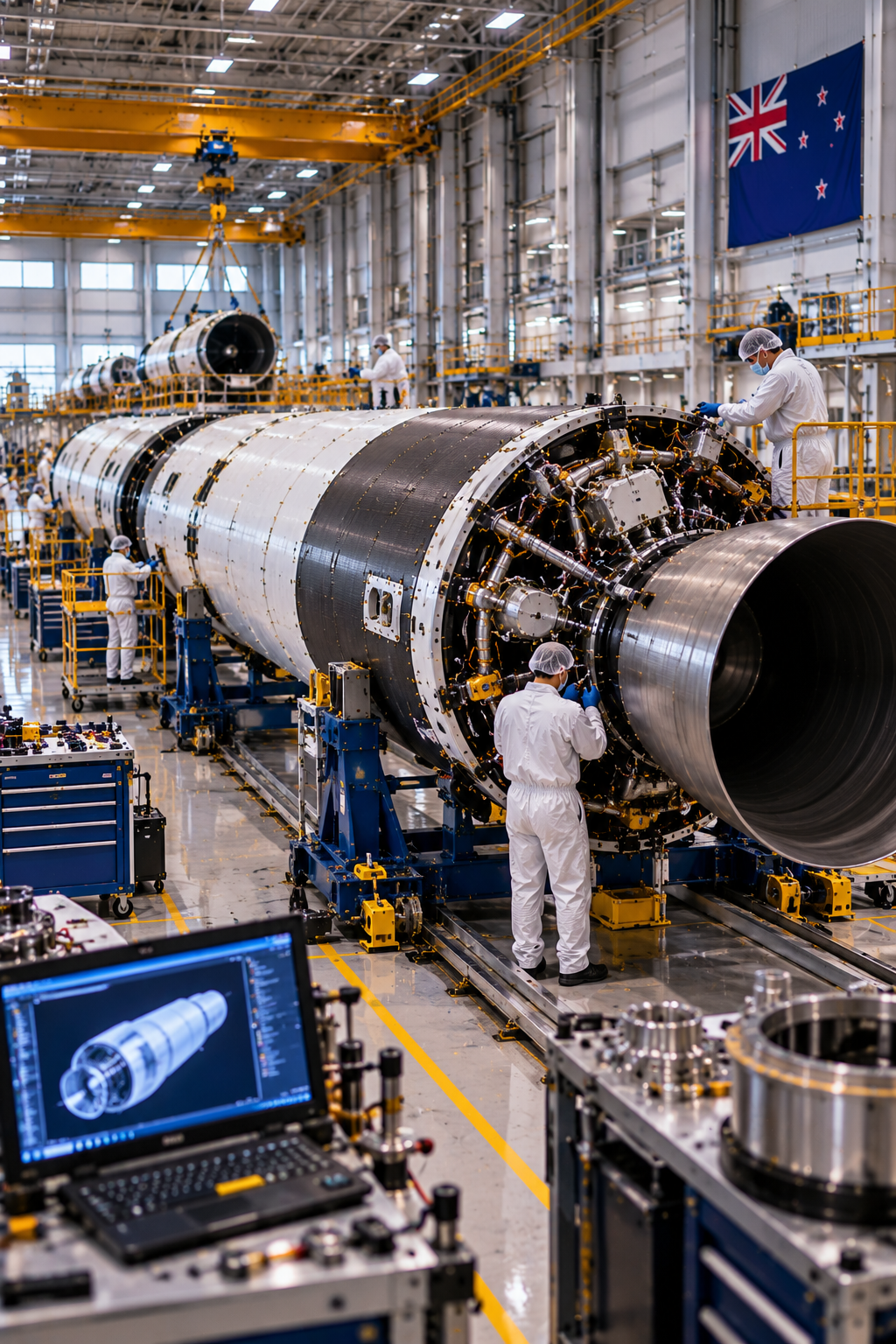
Rocket design is experiencing rapid change as new technologies redefine possibilities in aerospace engineering. These innovations not only enhance performance and cut costs but also shape the future of space access and exploration.
Additive Manufacturing: Also known as 3D printing, additive manufacturing is transforming how rockets are built. Complex components like engine parts, fuel injectors, and structural elements can now be printed much faster than with traditional methods. This decreases manufacturing costs, speeds up development, and allows for more detailed designs that boost performance. Companies such as Relativity Space aim to build entire rockets using 3D printing.
Advanced Propellants: The development of greener and more efficient propellants is gaining traction. Traditional fuels, while powerful, often produce toxic byproducts or require difficult storage conditions. Green propellants, such as hydroxylammonium nitrate (HAN) blends, and high-efficiency options like liquid methane, are being explored to make launches cleaner, safer, and more sustainable.
Hypersonic Technologies: Breakthroughs in hypersonic flight (travel at speeds over Mach 5) are influencing next-generation vehicle designs. Although mainly developed for defence and rapid atmospheric travel, the underlying technologies, like advanced materials and high-speed propulsion, may one day be adapted for orbital launch systems or point-to-point suborbital travel.
AI Integration: Artificial intelligence is increasingly used for autonomous flight control, trajectory optimisation, fault detection, and predictive maintenance. By analysing telemetry in real time, AI systems can help rockets adjust to unexpected conditions and extend vehicle lifespan.
Together, these innovations are changing the course of spaceflight, paving the way for more accessible, efficient, and intelligent rocket systems for future missions.

Conclusion
Designing a rocket is a complex, multidisciplinary endeavour that combines cutting-edge science, advanced engineering, and systems-level thinking. Every element—propulsion, structure, avionics, safety, and sustainability—must work in harmony to meet the huge challenges of spaceflight. From the moment a mission is conceived to liftoff and beyond, each design choice is crucial for ensuring performance, reliability, and success.
As the global space industry grows, innovations in rocket design are changing what’s possible. Improvements in reusability, green propellants, additive manufacturing, and AI are reducing costs, boosting efficiency, and making launches safer and more eco-friendly. These changes are not just enabling more frequent satellite launches but also laying the groundwork for ambitious projects like crewed lunar missions and interplanetary exploration.
Today, rockets are no longer exclusive to superpowers or billion-dollar missions. Commercial launch providers, startups, and new space nations are joining the race, driven by a new wave of technologies and design philosophies. As we continue to refine and reimagine rocket systems, we’re not just reaching for orbit — we’re shaping the future of humanity’s presence in space.
The sky is no longer the limit; it’s the launchpad.