Designing an ISR Satellite Constellation: Key Considerations
Intelligence, Surveillance, and Reconnaissance (ISR) satellite constellations are vital tools for modern defence, national security, and disaster response. These systems provide near real-time imagery and data to support threat detection, situational awareness, and mission planning. Designing an effective ISR constellation requires balancing performance, coverage, and cost while aligning with mission objectives.
One of the main considerations is orbit selection, whether to use Low Earth Orbit (LEO), Medium Earth Orbit (MEO), or a hybrid setup. LEO offers higher resolution and lower latency, making it ideal for tactical intelligence. However, coverage and revisit rates depend on the number of satellites and their distribution.
Sensor technology is just as important. Developers must choose between optical, infrared, or synthetic aperture radar (SAR) payloads, based on whether the mission needs day/night capabilities, all-weather performance, or high-resolution imaging.
Other factors include data downlink infrastructure, onboard processing capabilities, satellite lifespan, and resilience to cyber and physical threats. Scalability and interoperability with existing systems are also vital for long-term operational flexibility.
In the end, a well-designed ISR constellation combines cutting-edge technology with strategic foresight, delivering reliable, timely, and actionable intelligence across domains.
1. Defining Mission Objectives.
The foundation of any successful ISR (Intelligence, Surveillance, and Reconnaissance) satellite constellation is clearly defining the mission objectives. Understanding what the system is meant to achieve guides every technical and operational decision, from orbit selection to sensor design.
Military and Security Applications.
For defence purposes, ISR satellites are frequently used to monitor troop movements, track military assets, and identify potential threats. They provide essential situational awareness and allow decision-makers to respond to emerging scenarios with agility and precision.
Disaster Response and Environmental Monitoring.
In disaster management, satellites can provide quick assessments of earthquakes, wildfires, and floods. Real-time imagery assists responders in allocating resources, monitoring damage, and prioritising relief efforts. Similarly, environmental monitoring missions may focus on tracking deforestation, glacier retreat, or pollution, helping governments and researchers understand the wider impacts of climate change.
Economic and Agricultural Applications.
ISR constellations are increasingly valuable in economic development and agriculture. For example, satellites can monitor crop health, soil moisture, and irrigation patterns using optical and radar sensors. This data supports precision farming, helping farmers optimise yields and reduce resource use. On a larger scale, ISR data can inform supply chain logistics, detect illegal mining or fishing activities, and monitor infrastructure development in remote regions.
Aligning the satellite constellation with these diverse goals ensures the system provides maximum value. Payload specifications, revisit rates, resolution, and communication links must all be designed with the end-use in mind. Whether supporting military command centres or rural farming communities, a well-defined mission keeps the project focused and guarantees its effectiveness across sectors.
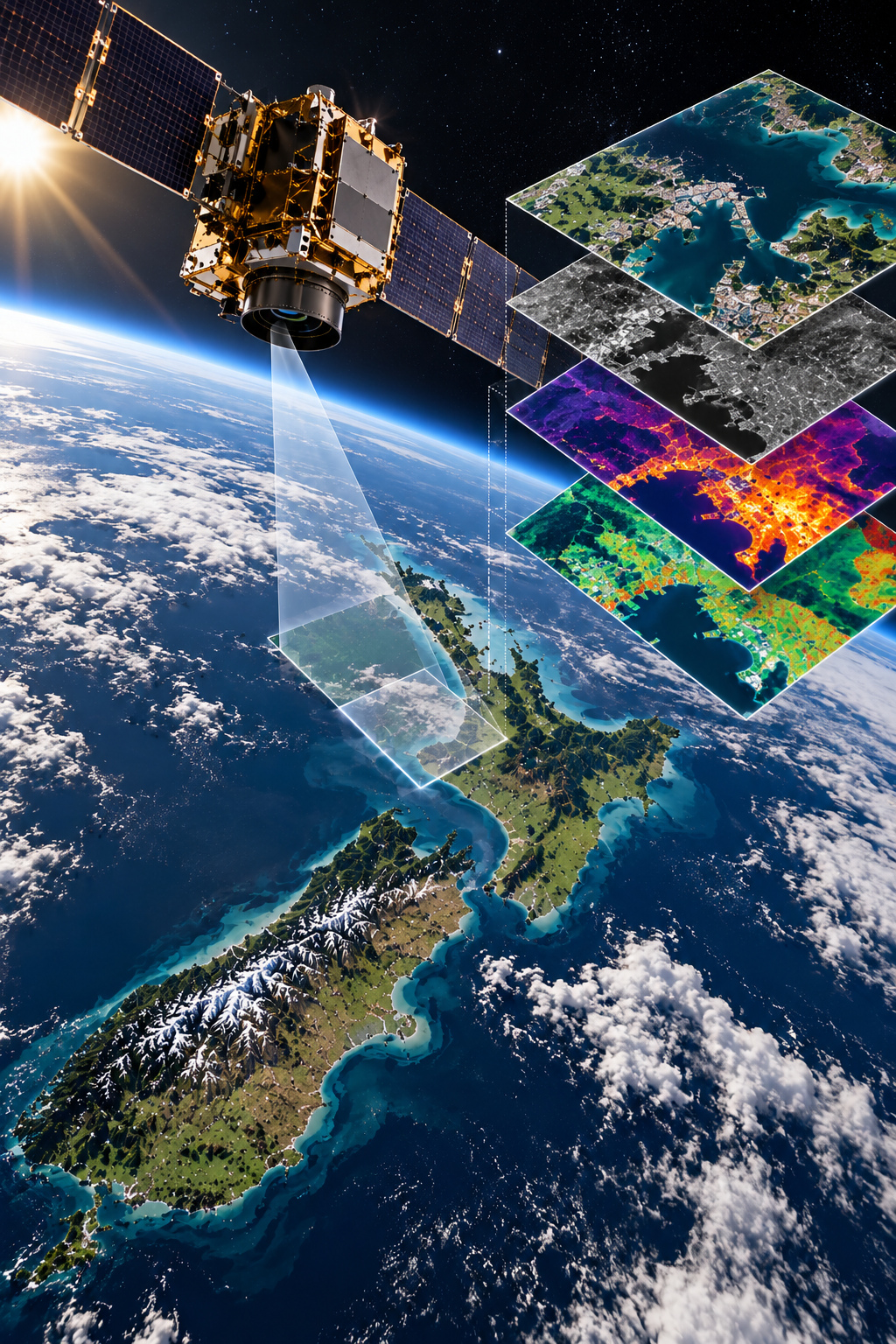
2. Orbital Configuration
Choosing the right orbital configuration is a crucial part of designing an ISR satellite constellation. The orbit directly affects key mission factors such as image resolution, geographic coverage, and revisit frequency, which determine how effectively the system can collect timely and actionable intelligence.
Low Earth Orbit (LEO) is the most commonly used orbit in ISR missions. Positioned roughly 500–1,200 kilometres above Earth, LEO satellites provide high-resolution imaging because of their close proximity to the surface. They can revisit target areas frequently, making them ideal for tactical surveillance, disaster response, and rapid change detection.
Medium Earth Orbit (MEO), found between 2,000–20,000 kilometres, offers broader regional coverage but at a lower spatial resolution. MEO is suitable for communication relays and navigation support within ISR constellations, enhancing connectivity and data sharing with lower-altitude assets.
Geostationary Orbit (GEO), at approximately 35,786 kilometres, allows satellites to stay fixed over a specific region. While GEO satellites have lower resolution, they provide continuous monitoring, making them useful for strategic ISR tasks such as border surveillance or tracking large environmental systems like weather patterns.
Polar and Sun-Synchronous Orbits (SSO) enable global coverage, including hard-to-reach polar regions. These orbits are especially valuable for environmental and defence missions that need consistent imaging conditions and regular overpasses of particular geographic areas.
Apart from altitude, the constellation setup—whether it follows a Walker, polar, or custom pattern—must be tailored to deliver the necessary temporal coverage and revisit rates for priority regions. A well-planned orbital strategy strikes a balance between spatial detail, coverage area, and latency, which is vital for supporting quick and dependable ISR operations across military, environmental, and economic sectors.
3. Payload Design
The payload is the core of an ISR satellite, shaping the type of data that can be collected, processed, and delivered to end users. Selecting the right combination of sensors is crucial to achieving mission goals, whether for military surveillance, disaster response, or environmental monitoring.
Electro-Optical (EO) Sensors capture high-resolution imagery across visible and infrared spectra. These sensors are perfect for tasks like terrain mapping, target identification, and tracking ground movements. However, EO sensors are affected by weather and lighting conditions.
Synthetic Aperture Radar (SAR) is a strong complement to EO sensors. SAR can see through clouds and operate day or night, providing dependable imaging in all weather conditions. This makes it especially valuable for maritime surveillance, flood monitoring, and battlefield observation.
Signals Intelligence (SIGINT) payloads gather and analyse electronic signals, including communications and radar emissions. These sensors are vital for identifying and characterising enemy systems, monitoring unauthorised broadcasts, or detecting electronic threats.
Hyperspectral Sensors provide a detailed spectral profile across dozens or hundreds of wavelengths. These sensors are highly effective for environmental monitoring, mineral detection, and agricultural analysis, where subtle differences in material composition are important.
Multi-Mission Payloads combine several sensor types into a single satellite, boosting versatility and reducing the total number of satellites needed. This strategy can lower launch and operational costs while expanding data collection capabilities.
When designing the payload, engineers need to consider practical constraints like power consumption, onboard processing ability, data storage, and radiation protection. These technical considerations directly influence satellite performance, reliability, and longevity. Ultimately, a well-balanced payload approach ensures the constellation delivers high-quality, mission-specific data across diverse conditions and multiple domains.
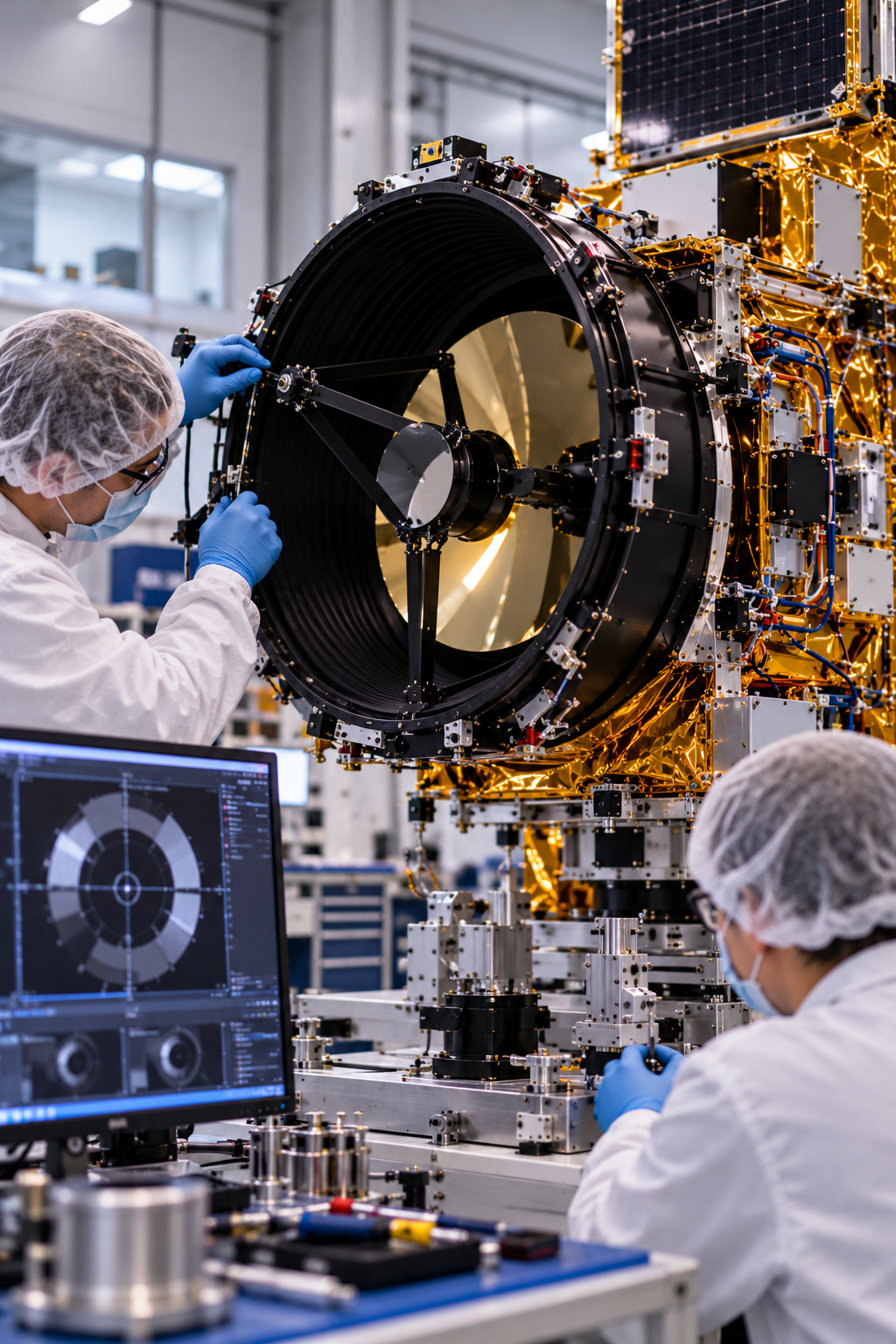
4. Ground Segment Integration
A strong and efficient ground segment is crucial for maximising the operational value of an ISR satellite constellation. While satellites collect vital intelligence, the ground infrastructure converts raw data into actionable insights and ensures quick control of space assets. Data Processing Centres are essential in handling large data volumes from ISR satellites.
These centres require advanced processing tools, including machine learning and AI for automatic image recognition, change detection, and behaviour analysis. Rapid and precise data interpretation is essential for mission success, whether identifying new threats, monitoring disaster zones, or assessing crop health. Command and Control (C2) systems that enable operators to communicate securely and reliably with the constellation. Ground stations must support real-time satellite tasking, telemetry monitoring, and health checks.
Secure links and redundancy are essential for maintaining continuous control, especially in contested or compromised environments. Reducing latency is a critical performance measure. In ISR operations, the worth of information drops with time. The ground segment must minimise data collection and delivery delays to support real-time or near-real-time decisions. This can be accomplished with optimised downlink architectures, onboard satellite edge computing, and geographically distributed ground stations to reduce communication delays.
Modern ground segments also benefit from cloud-based infrastructure and scalable systems that can adapt to increasing data demands. Additionally, interoperability with allied networks and existing defence or civil systems increases the utility of the ISR constellation. Ultimately, ground segment integration is more than support; it is the backbone of ISR operations. It guarantees the constellation functions efficiently and provides high-quality intelligence when and where it is needed most.
5. Communication Systems
A reliable and high-capacity communication system is essential to the success of any ISR satellite constellation. With satellites gathering large amounts of imagery, signals, and sensor data, efficient downlink and secure transmission pathways are vital to maintain operational tempo and information superiority.
High-bandwidth links are needed to manage the increasing volume of ISR data. While traditional radio frequency (RF) systems are still widely used, optical communication—particularly laser-based systems—is becoming more popular. Laser links offer significantly higher data rates, lower latency, and improved security due to narrow beam divergence. This technology is especially useful for near-real-time applications, allowing quick transfer of high-resolution imagery and video to ground stations.
Relay satellites act as crucial intermediaries, especially for Low Earth Orbit (LEO) constellations, which may not always be within direct line-of-sight of ground stations. By routing data through relay satellites in Medium Earth Orbit (MEO) or Geostationary Orbit (GEO), ISR satellites can sustain continuous communication links. This guarantees uninterrupted data transmission, even in remote or challenged environments, and supports real-time tasking and control.
Secure encryption is imperative, particularly for defence and national security missions. All data transmitted between satellites and the ground must be encrypted with advanced protocols to prevent eavesdropping, spoofing, or signal jamming. End-to-end encryption, combined with strong authentication and cyber-hardened measures, ensures that mission-critical information stays protected throughout its transmission.
An effective communication infrastructure not only facilitates data delivery but also enables satellite coordination, crosslink synchronization, and swift decision-making. As ISR missions grow more complex and data-heavy, communication systems must adapt to meet the demands for speed, security, and global coverage, ensuring the right data reaches the right users at the right time.
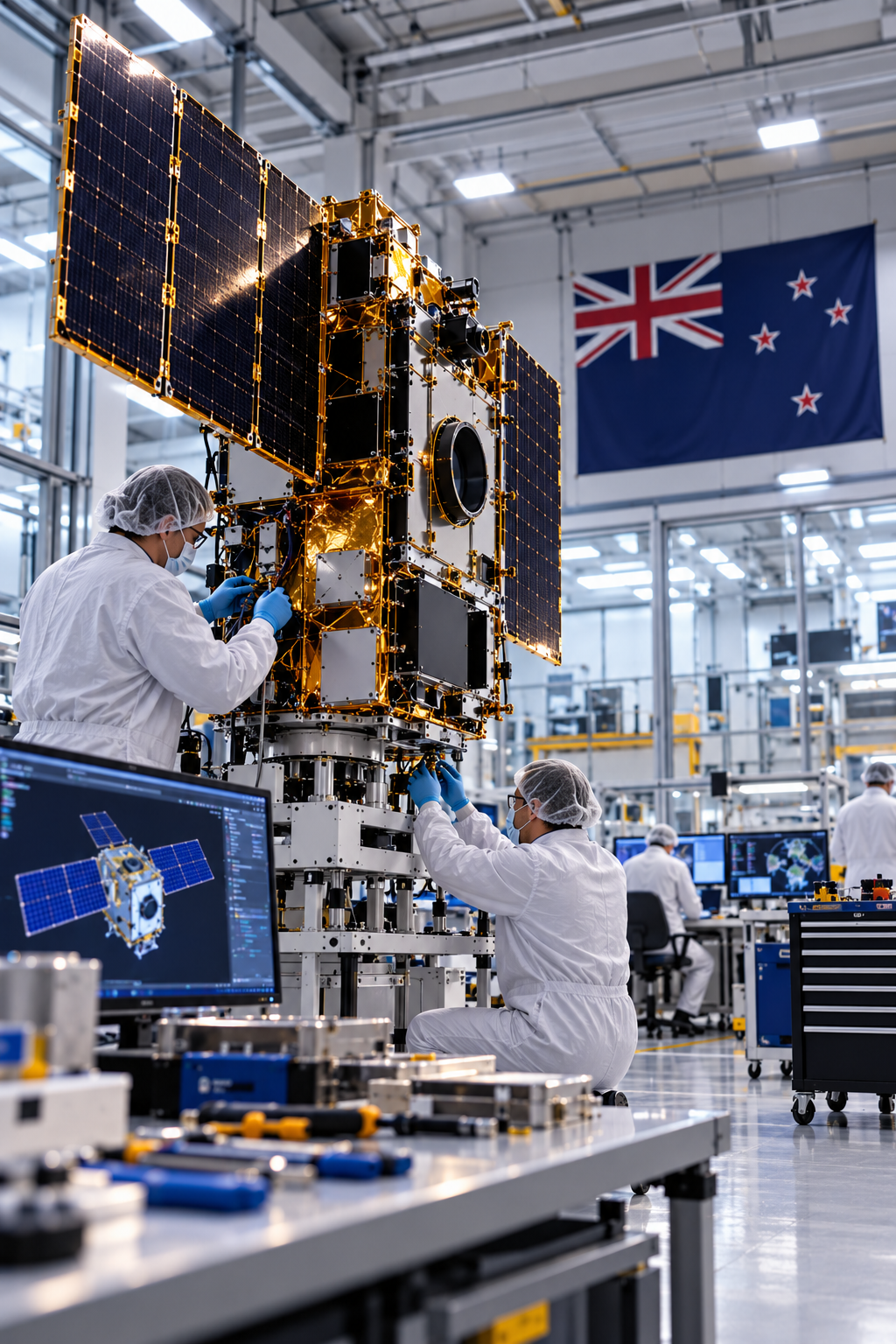
6. Power Systems
Power systems are a vital part of ISR satellite design, ensuring dependable operation throughout the mission. In the harsh environment of space, energy must be carefully generated, stored, and managed to meet the satellite’s needs without exceeding its mass or volume limits.
Solar panels are the main power source for ISR satellites. These deployable arrays turn solar energy into electricity, and their size, orientation, and placement are optimised based on the satellite’s orbit to maximise sunlight exposure. Materials like multi-junction photovoltaic cells provide high efficiency, ensuring steady power generation even in tricky lighting conditions.
Energy storage is crucial for maintaining operations during eclipse phases, when the satellite passes through Earth’s shadow. High-capacity lithium-ion batteries are typically used to store excess solar energy and power onboard systems during these times. They also support peak energy demands during intensive tasks, such as high-resolution imaging or data transmission.
Energy management systems intelligently control power distribution. These systems prioritise essential subsystems, like thermal regulation, communications, and payload operation, while conserving energy in less critical parts. Smart power balancing helps extend battery life and overall satellite lifespan, which is especially important for missions that require high reliability over many years.
7. Scalability and Redundancy
Scalability and redundancy are vital design principles that keep an ISR satellite constellation resilient, adaptable, and capable of fulfilling missions over time. As technology advances and operational needs change, the system must be able to adjust without significant delays or high costs.
Modular Design is a key approach to achieving scalability. Satellites made with modular parts can be upgraded, reconfigured, or repaired more easily on the ground before launch or through in-orbit servicing in the future. This enables operators to add new sensor technologies, better processing units, or improved communication systems without redesigning the whole spacecraft. Modular architecture also simplifies manufacturing and speeds up deployment, especially when expanding the constellation to enhance coverage or revisit frequency.
Redundant Systems are crucial for maintaining performance when failures happen. Critical subsystems, like communication links, attitude control, onboard processors, and power units, should have backup options. If the primary system fails, the backup can take over, reducing mission disruption. Redundancy is essential in contested or remote areas where physical repairs are impossible, and reliable data flow is mission-critical.
Spare satellites in orbit further boost resilience. By deploying extra satellites on standby orbits, operators can quickly replace a failed unit without activating and moving to cover gaps, ensuring ongoing surveillance and data collection. Paired with autonomous constellation management, this approach reduces downtime and improves responsiveness.
In summary, a scalable and redundant setup extends the lifespan and usefulness of an ISR constellation. It allows the system to expand with demand, handle unexpected failures, and deliver reliable intelligence across military, environmental, and economic sectors, securing long-term mission success in a rapidly changing space environment.
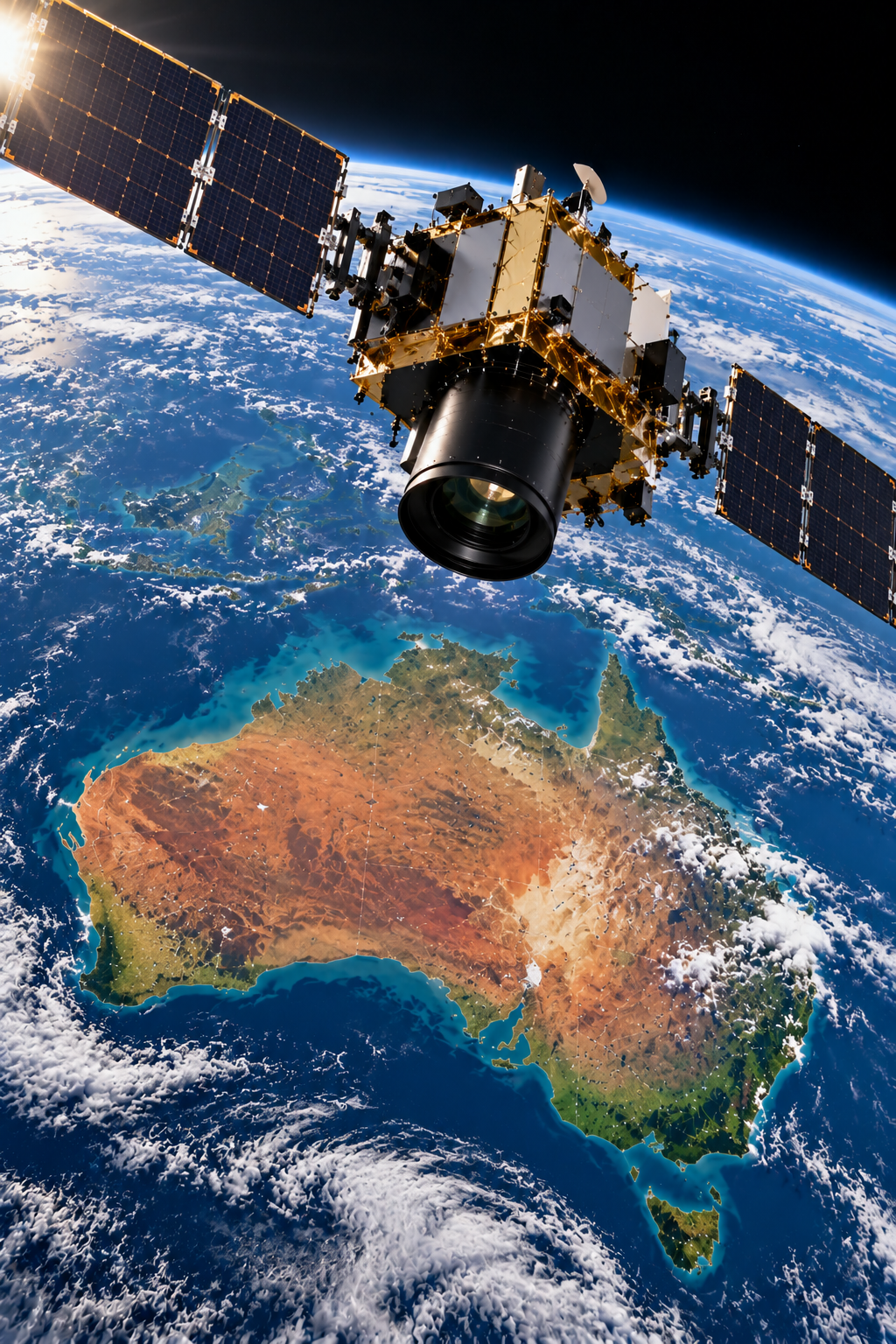
8. Durability and Longevity
Durability and longevity are crucial qualities of any ISR satellite, ensuring reliable performance in the harsh space environment. From radiation exposure to extreme temperature swings, satellites must be built to operate dependably for years, often without the chance for repair.
Radiation shielding is a key concern, especially for satellites in high-radiation zones like Low Earth Orbit (LEO) and beyond. Cosmic rays and solar particle events can damage or permanently harm sensitive electronics and onboard systems. Materials like aluminium, tantalum, or specialised composites for shielding help safeguard vital components and maintain data integrity. Advanced error correction software can also help reduce the impact of radiation-induced faults in memory and processors.
Thermal control is just as important. In space, where there’s no atmosphere to regulate heat, temperatures vary greatly, depending on a satellite’s position relative to the Sun. Sophisticated thermal management systems, including radiators, heat pipes, thermal blankets, and active heaters, stabilise the internal environment, ensuring that sensors, batteries, and communication systems operate within optimal temperature ranges.
End-of-life planning should be a fundamental aspect of responsible satellite design. With the increasing threat of orbital debris, satellites should be mandated to include deorbiting mechanisms such as propulsion systems or drag sails. These tools enable the satellite to safely re-enter Earth’s atmosphere or be directed towards a designated graveyard orbit at the end of its operational life. Such proactive planning helps reduce collision risks and promotes a more sustainable space environment.
By focusing on durability and longevity, ISR constellations can achieve greater mission assurance, lower maintenance costs, and prolong their usefulness over time. These qualities ensure consistent, uninterrupted data flow supporting global security, disaster response, and scientific observation.
9. Cost Considerations
Cost plays a crucial role in the design, deployment, and operation of ISR satellite constellations. While performance and reliability are essential, budget limitations often influence system architecture, technology choices, and deployment strategies. Finding a balance between capability and affordability is vital for delivering a sustainable and effective ISR solution.
Commercial Off-the-Shelf (COTS) components offer one of the most effective ways to cut costs and speed up development. Using proven, mass-produced technologies, such as processors, sensors, or communication modules, can significantly reduce manufacturing time and expenses. Though COTS components may need extra testing for space qualification, their use allows for rapid prototyping, quicker iteration, and increased supply chain flexibility.
Shared Launches, or ride-share opportunities, provide another method to save costs. Launching multiple satellites from different operators on the same rocket enables ISR programs to share the high costs of launch services. This approach not only lowers per-satellite deployment costs but also allows more frequent access to orbit, helping programs stay on schedule and within budget.
Lifecycle costs also require thorough assessment during the planning stage. The initial costs of building and launching satellites are only part of the overall expenses. Ongoing costs, including ground station operations, software maintenance, personnel, in-orbit servicing, and future upgrades, can greatly influence the total budget. Designing systems for easy maintenance and modular upgrades can help control long-term costs and extend operational lifespans.
In an environment that is increasingly competitive and resource-limited, cost-effective ISR constellations must be designed with a comprehensive approach, prioritising not only upfront affordability but also long-term sustainability. Smart financial planning enables broader access to space-based intelligence across defence, environmental, and commercial sectors.
10. International and Legal Considerations
The operation of ISR satellite constellations takes place within a complex legal and diplomatic framework. As space becomes more accessible and contested, compliance with international laws, treaties, and norms is vital for maintaining legitimacy, preventing conflicts, and promoting responsible use of space-based intelligence capabilities.
Orbital slot allocation is a key regulatory issue. All satellite operators must coordinate with international regulatory bodies, mainly the International Telecommunication Union (ITU), to secure proper licences for frequency use and orbital positions. This process ensures satellites do not interfere with each other’s signals or cause unsafe orbital congestion. Effective coordination helps prevent collisions, signal disruptions, and diplomatic disputes.
Data privacy and sovereignty are equally important. ISR satellites, especially those capturing imagery or signals over foreign territories, must operate within legal boundaries that respect national sovereignty. Unauthorised surveillance can lead to diplomatic tensions or accusations of espionage. While space law currently permits passive observation from orbit, many nations are now advocating for stricter rules governing the use and sharing of surveillance data, particularly as high-resolution imaging becomes more accessible.
Dual-use technology adds further complexity. Many ISR systems have both civilian and military applications, such as environmental monitoring and battlefield surveillance. While this dual-use nature boosts flexibility and cost efficiency, it also raises concerns under international arms control treaties and export regulations. Satellite designers and operators must ensure transparency and accountability in how ISR data is utilised, especially when working with international partners or operating in politically sensitive regions.
In summary, legal and diplomatic compliance is more than just a regulatory obligation; it’s a strategic measure. Navigating international frameworks wisely helps protect operators from liability, supports peaceful space activities, and fosters trust among allies and global stakeholders in the responsible use of ISR technology.
11. Sustainability and Space Debris Management
With the rapid growth of satellite constellations, especially in Low Earth Orbit (LEO), space sustainability has become an urgent issue. For ISR satellite systems, ensuring long-term operational safety and minimising their environmental impact are vital for both mission success and global responsibility.
Collision avoidance is a top priority. With thousands of active satellites and millions of debris fragments orbiting Earth, the risk of collision keeps rising. ISR satellites should be fitted with autonomous collision avoidance systems that can respond instantly to conjunction alerts. These systems work alongside ground-based tracking networks that monitor orbital traffic and issue warnings. Preventing even a single collision is crucial, not only to safeguard valuable assets but also to prevent additional debris creation.
Debris mitigation involves proactive design choices that lessen the chance of leaving non-functional satellites in orbit. ISR satellites should be equipped with onboard propulsion systems or drag-enhancing devices to perform controlled deorbiting at the end of their mission life. Adherence to international guidelines, such as the 25-year deorbit rule, helps ensure satellites do not become long-term hazards to other space users.
Reusable components provide a pathway to more sustainable space operations. Although more common in launch systems currently, reusability is gaining relevance for satellite subsystems too. Modular designs, standardised interfaces, and in-orbit servicing technologies can extend satellite lifespans and cut down material waste.
Embedding sustainability into the design and operation of ISR constellations is not optional anymore; it’s essential. By actively managing space traffic, planning for end-of-life disposal, and exploring reusable technologies, satellite operators can help foster a cleaner, safer orbital environment. Responsible practices not only protect current missions but also safeguard space’s future for generations of ISR operations and beyond.
Conclusion
Designing an ISR satellite constellation is a complex, multidisciplinary endeavour that requires a careful balance of technology, strategy, and foresight. Every aspect, from defining mission objectives and selecting orbital configurations to integrating secure communications and planning for end-of-life disposal, must align with both current needs and future demands.
Successful ISR constellations are grounded in adaptability and resilience. Modular payloads, scalable architectures, and advanced ground segments ensure systems can evolve alongside technological advancements and shifting threats. Additionally, responsible design practices, such as collision avoidance and debris mitigation, are vital for maintaining a safe orbital environment.
As global reliance on space-based intelligence increases, ISR satellites will assume an ever more important role in national security, disaster response, environmental monitoring, and even economic planning. These systems will influence how governments respond to emerging challenges and how industries utilise real-time data from space.
Ultimately, the future of ISR depends on designing constellations that are not only powerful and precise but also agile, secure, and sustainable. Through a combination of innovation and responsibility, ISR satellite constellations will continue to push the boundaries of space-based intelligence for years ahead.