Considerations When Designing Agriculture on the Moon
As humanity ventures deeper into space exploration and sets its sights on establishing permanent settlements beyond Earth, the ability to sustain life becomes a cornerstone of success. Agriculture is an essential component of any long-term habitation plan, providing food, contributing to oxygen production, and supporting the recycling of vital resources.
On Earth, agriculture benefits from an atmosphere, abundant sunlight, accessible water and naturally occurring nutrients. On the Moon, almost every one of these conditions must be artificially created, controlled and maintained.
Establishing agriculture on the Moon is therefore more than simply finding a way to grow plants. It requires developing reliable systems capable of operating in one of the most challenging environments humans have encountered.
In this article, we explore the critical considerations for developing lunar agricultural systems, examining the technological, biological, logistical and operational challenges that must be overcome.
1. The Lunar Environment: Challenges and Constraints
Before developing agricultural systems for the Moon, it is essential to understand its environment and the obstacles it presents.
Key Environmental Challenges
Low Gravity: The Moon's gravity is approximately one-sixth that of Earth. While this reduces some structural loads, it introduces uncertainties about plant growth, root development, water distribution and nutrient uptake.
Extreme Temperatures: Surface temperatures near the lunar equator can range from approximately −173°C at night to 127°C during the day. Agricultural facilities must maintain stable internal conditions despite these extremes.
Radiation Exposure: Without a substantial atmosphere or global magnetic field, the lunar surface is exposed to cosmic radiation and energetic particles from the Sun.
Lack of Atmosphere: The Moon's extremely thin exosphere provides effectively no breathable air or atmospheric pressure. Agriculture therefore requires enclosed, pressurised environments.
Regolith Composition: Lunar regolith is a fine, abrasive material lacking the organic matter and biological activity associated with fertile terrestrial soil.
Unlike terrestrial farming, where environmental conditions can often be managed through crop selection and seasonal planning, lunar agriculture must create and maintain nearly every condition required for plant survival.
Lunar dust presents an additional operational challenge. Its abrasive particles can damage seals, mechanisms and equipment. Agricultural facilities will therefore need contamination controls to prevent dust entering sensitive growing environments.
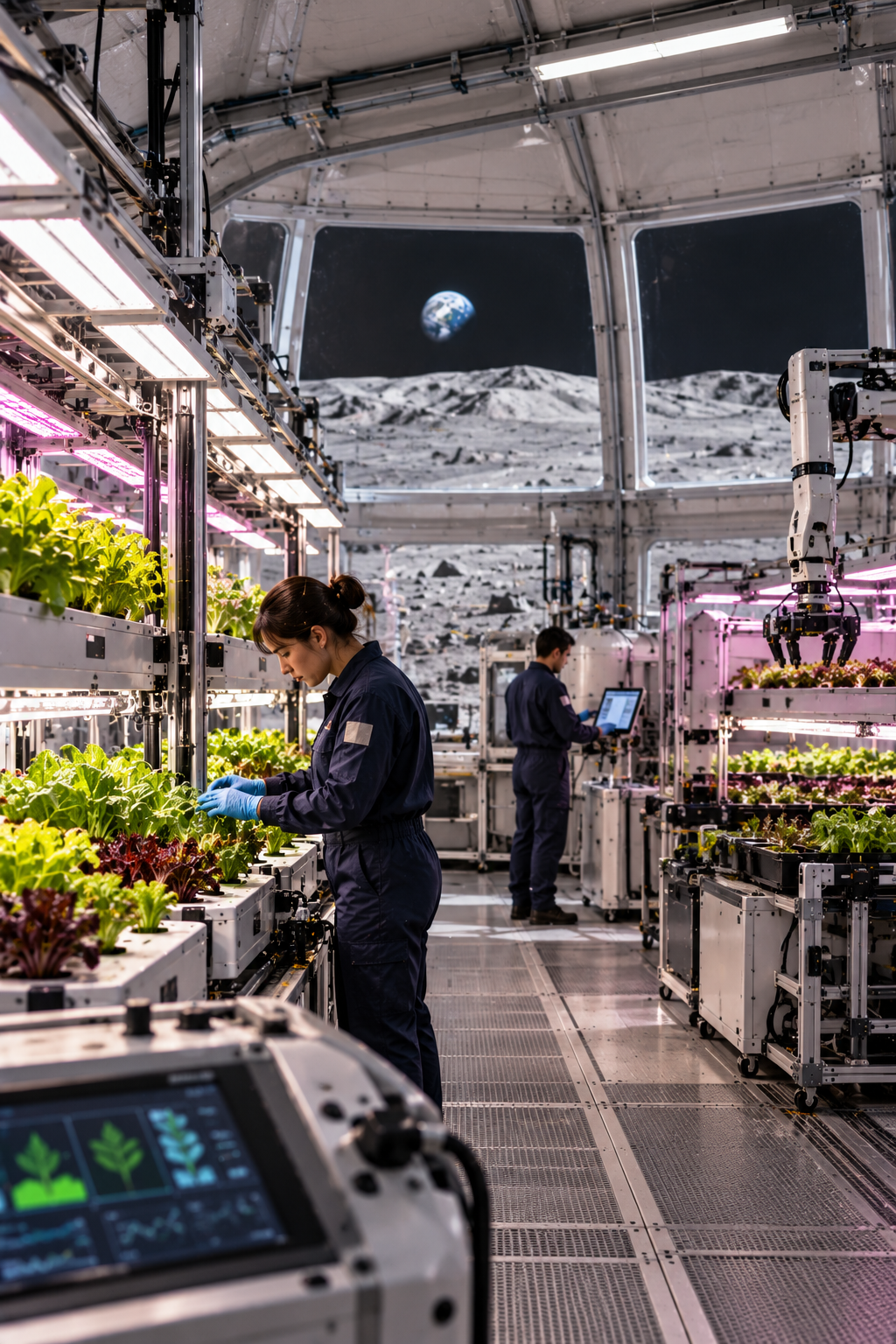
2. Designing Controlled Agricultural Environments
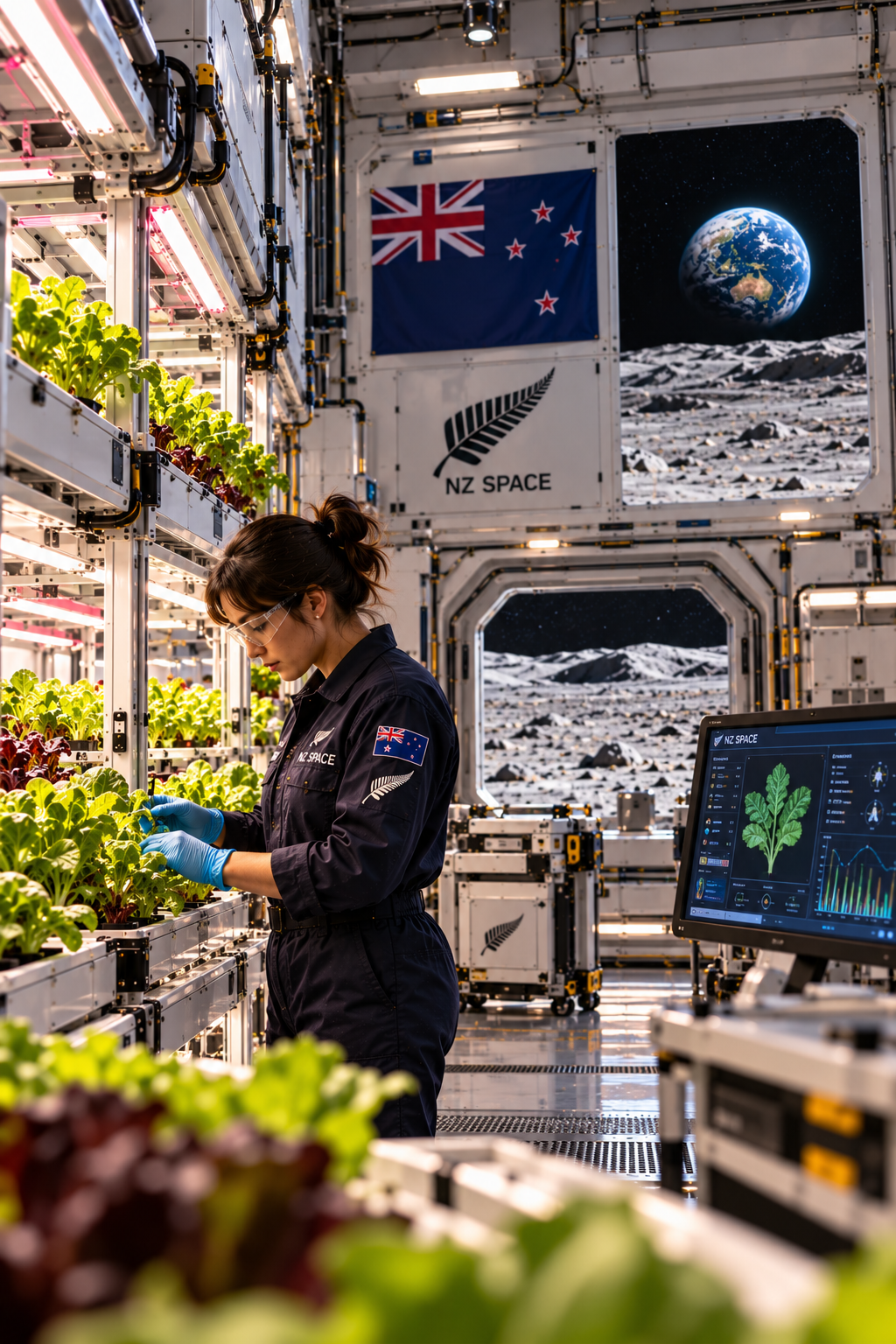
Agriculture on the Moon will likely depend on highly controlled environments, including pressurised greenhouses and bioregenerative life-support systems. These facilities must replicate the conditions required for plant growth while minimising energy consumption and resource losses.
Enclosure Design
Pressurisation: Agricultural enclosures must maintain suitable atmospheric pressure and controlled concentrations of oxygen and carbon dioxide.
Thermal Control: Heating, cooling and insulation systems must protect crops from extreme external temperatures.
Radiation Shielding: Facilities may be constructed beneath the surface or protected by layers of lunar regolith. Specialist shielding materials could also contribute to radiation protection.
Lighting Systems
Artificial Lighting: Energy-efficient LED systems can provide wavelengths optimised for photosynthesis and support plant growth during periods without sunlight.
Solar Power: Solar arrays can generate electricity during illuminated periods, with stored energy or alternative power sources supporting operations when sunlight is unavailable.
At many lunar locations, the day-night cycle lasts approximately 29.5 Earth days, creating periods of darkness approaching two weeks. This presents a significant challenge for facilities dependent on solar energy.
Agricultural facilities must therefore be designed around continuous operations rather than simply providing ideal growing conditions.
A power failure on Earth might result in damaged crops. On the Moon, a prolonged failure could compromise food production, temperature regulation and potentially the wider settlement's life-support systems.
Redundant power supplies, backup environmental controls and emergency operating procedures will be essential.
3. Water Management
Water is one of the most important resources required for lunar agriculture. Although evidence of water ice exists in permanently shadowed polar regions, accessing and processing these deposits remains technically challenging.
Sources of Water
- Lunar Ice: Water ice deposits could eventually provide a local resource for agriculture, drinking water and other settlement requirements.
- Transport from Earth: Early agricultural experiments may depend on water transported from Earth, increasing mission costs.
Irrigation Techniques
- Hydroponics: Growing plants in nutrient-rich water solutions without conventional soil can reduce water consumption and allow precise nutrient control.
- Aeroponics: Plant roots are suspended and supplied with a nutrient-rich mist, potentially reducing water requirements further.
- Closed-Loop Systems: Water recovered from plant transpiration, humidity control and treated wastewater can be recycled for reuse.
Water management also becomes more complicated under reduced gravity. Systems that depend on gravity to distribute or drain water may behave differently on the Moon.
Engineers will need to carefully control fluid movement to prevent water accumulating around plant roots or failing to reach them.
For a permanent settlement, the objective is not simply to minimise water consumption. It is to establish a reliable recycling system where water can be repeatedly recovered, treated and reused with minimal losses.
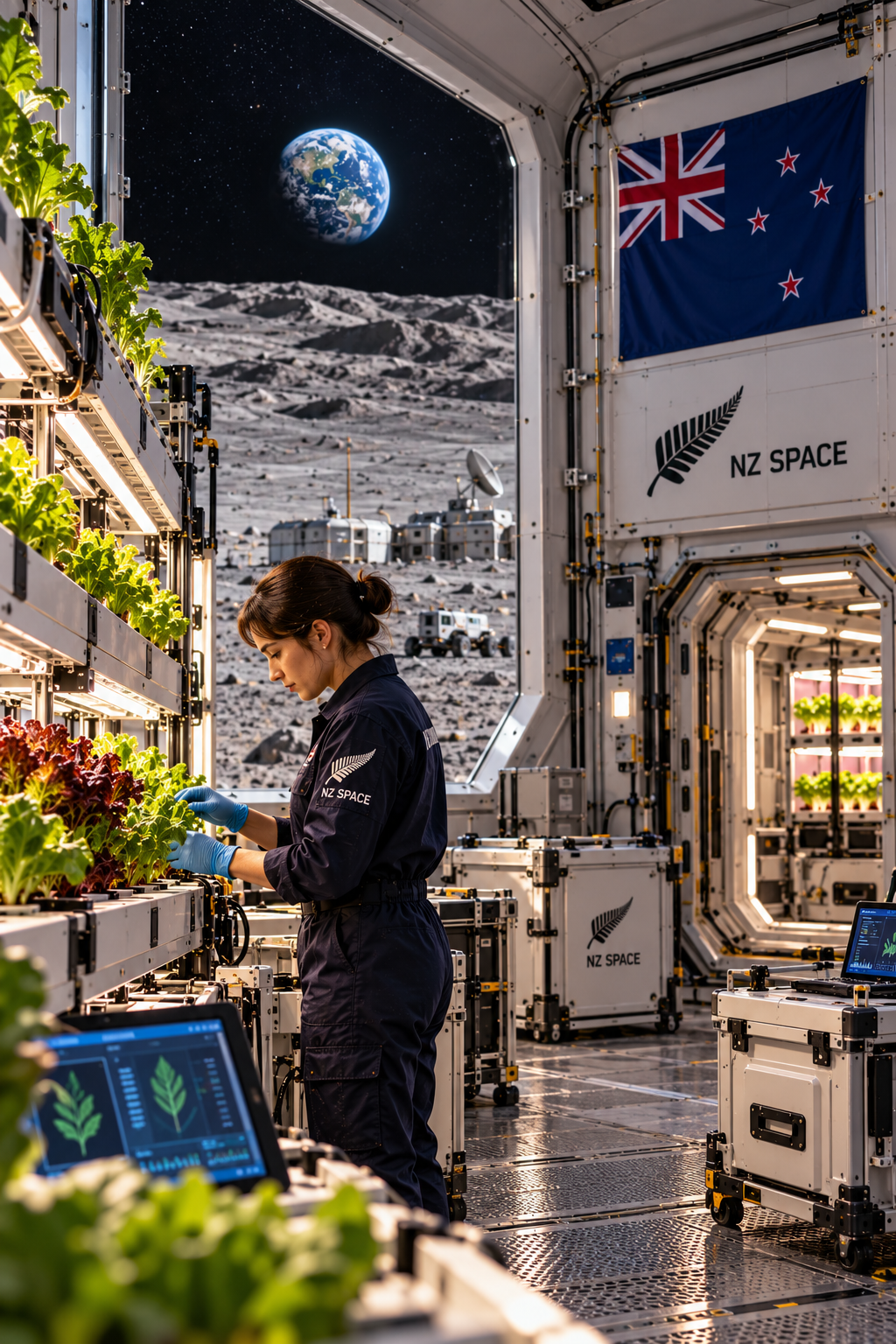
4. Soil and Nutrient Solutions
The Moon's regolith is unsuitable for agriculture in its natural state. Unlike terrestrial soil, it lacks organic matter, established microbial ecosystems and readily available nutrients required for healthy plant growth.
Soil Substitutes
- Synthetic Growth Media: Engineered substrates can support plant roots while nutrients are delivered through controlled irrigation systems.
- Regolith Processing: Researchers are investigating whether lunar regolith can be treated and supplemented to support plant growth.
Nutrient Delivery
- Fertilisers: Initially, essential nutrients may need to be transported from Earth. Future in-situ resource utilisation (ISRU) could help produce or recover some nutrients locally.
- Microbial Symbiosis: Beneficial microorganisms may assist nutrient cycling, support plant health and contribute to the development of sustainable growing systems.
An important consideration is whether lunar agriculture should attempt to recreate traditional soil-based farming at all.
Hydroponic systems may provide a more practical initial solution because they avoid the complexities of processing lunar regolith into a suitable growing medium.
However, long-term settlements may benefit from combining multiple growing methods, particularly as local resources become more accessible and recycling technologies mature.
5. Crop Selection and Genetic Engineering
Selecting suitable crops will be a critical decision for lunar agriculture. Crops must provide nutritional value while making efficient use of available space, water, energy and labour.
Ideal Crop Traits
High Yield: Crops such as potatoes, wheat and soybeans can provide substantial edible biomass.
Nutritional Density: Plants must contribute essential vitamins, proteins, carbohydrates and other nutrients.
Short Growth Cycles: Fast-growing crops such as lettuce and radishes can provide frequent harvests.
Resilience: Crops should tolerate controlled growing environments and variations in water, lighting and nutrient availability.
Role of Genetic Engineering
Genetic engineering and selective breeding may help develop crops with improved growth characteristics, greater resource efficiency and increased resistance to environmental stress.
However, selecting crops based only on nutritional output would overlook another important consideration: the psychological wellbeing of astronauts.
Fresh food provides variety, flavour and a connection to familiar activities on Earth. The ability to grow, harvest and prepare fresh produce could contribute positively to morale during extended lunar missions.
Future agricultural planning may therefore balance nutritional efficiency with crew preferences and psychological benefits.
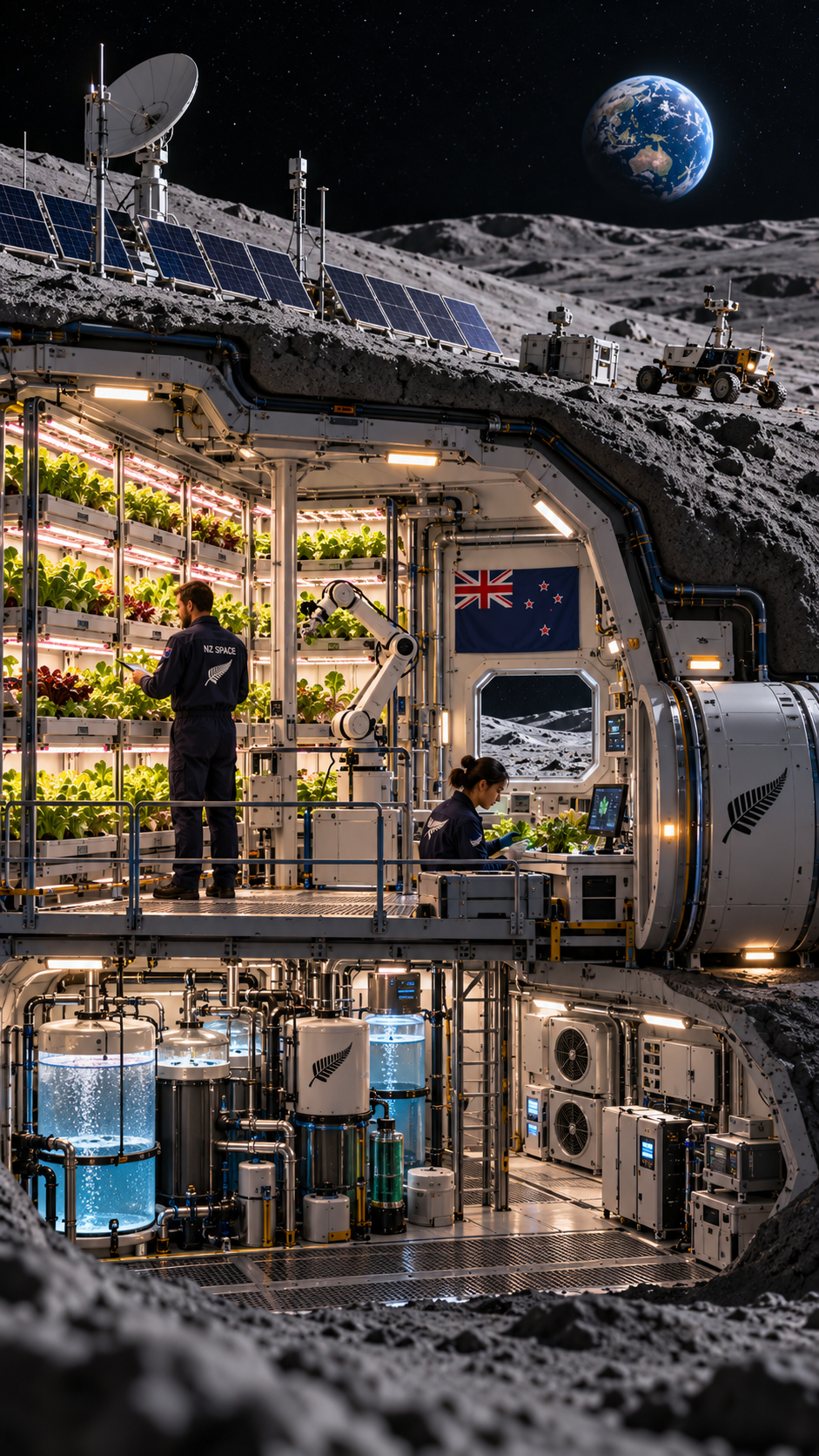
6. Integration with Life-Support Systems
Agriculture on the Moon could serve two important purposes: producing food and contributing to the settlement's environmental life-support systems.
Through photosynthesis, plants absorb carbon dioxide and release oxygen. They also contribute to water recycling through transpiration.
Bioregenerative Life-Support Systems
These systems integrate plants, humans and microorganisms into interconnected biological processes designed to recycle resources and reduce dependence on supplies transported from Earth.
For example, carbon dioxide produced by astronauts could be used by plants, while recovered water and processed organic waste could contribute to agricultural operations.
However, agricultural systems are unlikely to immediately replace conventional life-support equipment.
Early lunar settlements will still require dedicated oxygen generation, carbon dioxide removal, water treatment and environmental control systems.
As agricultural capabilities develop, biological systems could gradually assume a greater proportion of these functions, improving resource efficiency and reducing the settlement's dependence on Earth.
7. Scalability and Automation
Lunar agriculture will need to operate with limited personnel and substantial restrictions on available resources.
Automation will therefore play an important role in reducing the workload associated with growing and maintaining crops.
Robotic Assistance
Robotic systems could undertake repetitive activities such as planting, irrigation, crop monitoring and harvesting. This would allow astronauts to focus on scientific research, maintenance and other mission-critical tasks.
Data-Driven Farming
Sensors and automated control systems could continuously monitor temperature, humidity, carbon dioxide, nutrient concentrations and plant health.
Artificial intelligence could assist with identifying developing problems and adjusting growing conditions before crop productivity is affected.
Scaling from Experiments to Food Production
Lunar agriculture is likely to develop progressively.
Initial systems may consist of small experimental growing chambers used to investigate plant behaviour under lunar gravity and controlled environmental conditions.
Later facilities could produce fresh vegetables to supplement food transported from Earth.
Eventually, larger modular agricultural systems could contribute a meaningful proportion of the settlement's nutritional requirements.
Each expansion would require additional power, water processing, environmental controls, maintenance capacity and operational support.
The challenge is therefore not simply producing more food but ensuring that agricultural infrastructure can expand without placing unsustainable demands on the settlement.
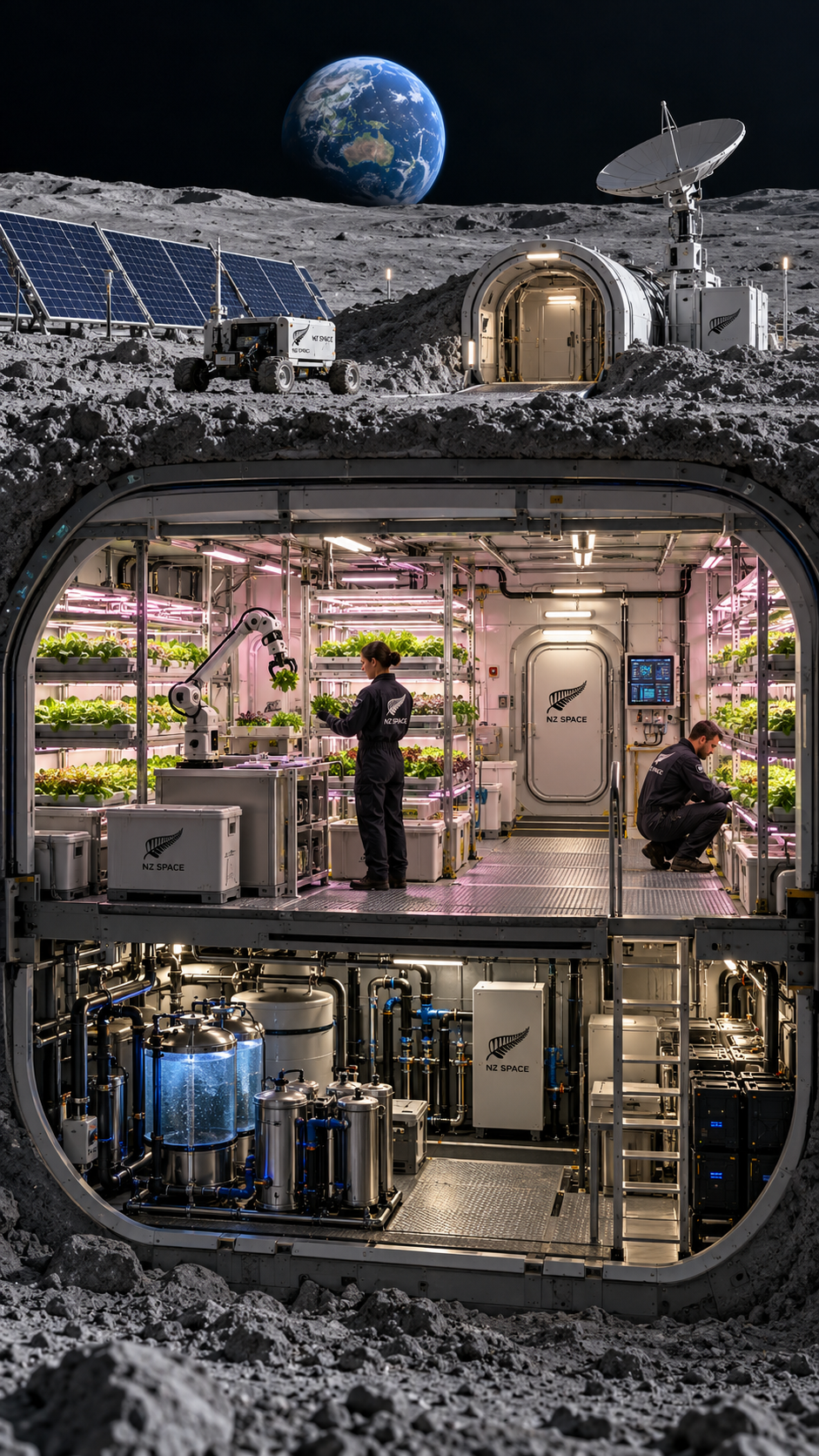
8. Economic and Logistical Considerations
Establishing agriculture on the Moon will require significant investment in infrastructure, equipment and supporting technologies.
Transporting materials from Earth remains expensive, making system efficiency and reliability essential.
Cost Efficiency
Lightweight, modular and multifunctional agricultural systems could reduce launch requirements and allow infrastructure to be expanded progressively.
Long-Term Sustainability
Recycling, local resource extraction and in-situ manufacturing could reduce the quantity of consumables and replacement materials transported from Earth.
However, the economics of lunar agriculture involve more than comparing the cost of growing food with transporting it.
Agricultural systems require electricity, water, maintenance, spare parts and personnel time. These demands must be considered alongside the benefits of producing food locally.
Operational Reliability and Maintenance
One of the most significant considerations is maintaining agricultural capability when equipment fails.
On Earth, replacement components can often be sourced relatively quickly. On the Moon, replacement equipment may take months to arrive, depending on launch schedules and mission logistics.
Agricultural systems will therefore need modular components, accessible maintenance arrangements, onboard spare parts and the ability to isolate failures without affecting the entire growing facility.
This introduces an important principle for lunar settlement design: agricultural systems must be engineered as dependable infrastructure, not simply scientific experiments.
Conclusion
Designing agriculture for the Moon is a complex but achievable long-term objective. Success will require advances in environmental control, water recycling, crop development, automation and resource management.
The first lunar agricultural systems will likely be small, experimental facilities. Over time, these could develop into larger systems capable of supporting permanent human habitation.
However, producing food is only part of the challenge. Agricultural systems must operate reliably, integrate with life-support infrastructure and remain sustainable within the limited resources available to a lunar settlement.
Ultimately, developing agriculture beyond Earth represents an important step towards establishing a sustained human presence in space.
The technologies developed for lunar agriculture may also provide benefits closer to home, including more efficient water recycling, controlled-environment farming and food production in remote or resource-constrained environments.
As humanity prepares for longer missions and permanent settlements beyond Earth, the ability to grow food locally may become one of the defining capabilities that transforms space exploration into sustained habitation.