Key Considerations in Designing a Satellite Power System
A satellite’s power system is its lifeline, responsible for keeping every subsystem running, from communications and navigation to payload operations and thermal control. Designing an effective power system is one of the most critical challenges in satellite engineering, requiring a careful balance between performance, reliability, and efficiency.
Operating in the harsh conditions of space presents unique obstacles. Solar energy, the primary power source for most satellites, must be harnessed through optimized solar arrays that consider orbital path, orientation, and available sunlight. During eclipse periods, energy storage systems, typically high-capacity batteries, must provide uninterrupted power, making their durability and charge efficiency vital.
Thermal extremes, radiation exposure, and limited space for hardware further complicate design choices. Engineers must select lightweight, radiation-hardened materials and develop robust energy management systems that prioritise power distribution to critical subsystems.
As satellites become more advanced, power systems must evolve to support higher loads while maintaining long-term operational stability. Innovations in solar cell efficiency, battery technology, and onboard power regulation are pushing the boundaries of what’s possible.
Ultimately, the success of any satellite mission depends on a power system that can adapt, endure, and perform under pressure, making its design a cornerstone of mission planning and spacecraft longevity.
1. Understanding Power Requirements
The foundation of any satellite power system starts with a clear understanding of its energy needs. Every satellite is designed with a specific mission in mind, whether Earth observation, communications, scientific exploration, or navigation, and each mission requires unique power consumption patterns based on its onboard systems and operational demands.
Payload Power Needs
Payloads are usually the most power-hungry components on a satellite. High-resolution instruments, including cameras, multispectral sensors, radar systems, and communication transceivers, can consume significant energy, especially during active data collection or transmission. For instance, a remote sensing satellite may need continuous, stable power to run its imaging equipment while passing over target areas.
Subsystem Energy Demands.
Alongside the payload, various support systems also need power. These include navigation and guidance units, attitude control systems, propulsion modules for orbital adjustments, and thermal control systems that regulate internal temperatures in the vacuum of space. Although these systems might not continuously operate at full capacity, their combined energy consumption must be included in the power budget.
Operational Modes and Duty Cycles.
Satellites usually operate across multiple power modes: full power during peak activity, reduced power during standby, and limited power during eclipse periods when solar energy is unavailable. Accurate modelling of these modes assists engineers in forecasting average and peak energy demands throughout the mission's lifespan.
Importance of Power Budgeting.
A detailed and realistic power budget ensures the satellite functions effectively without overloading its power generation and storage systems. Overestimating consumes extra mass and cost, while underestimating risks mission failure. Careful planning at this stage forms the basis for selecting suitable solar arrays, batteries, and power management systems to guarantee long-term mission success.
2. Power Sources: Solar Panels and Thermoelectric Generators
Satellite power systems mainly depend on two key technologies: solar panels and thermoelectric generators. Each offers distinct advantages based on the mission type, orbit environment, and duration.
Solar Panels: The Primary Power Source.
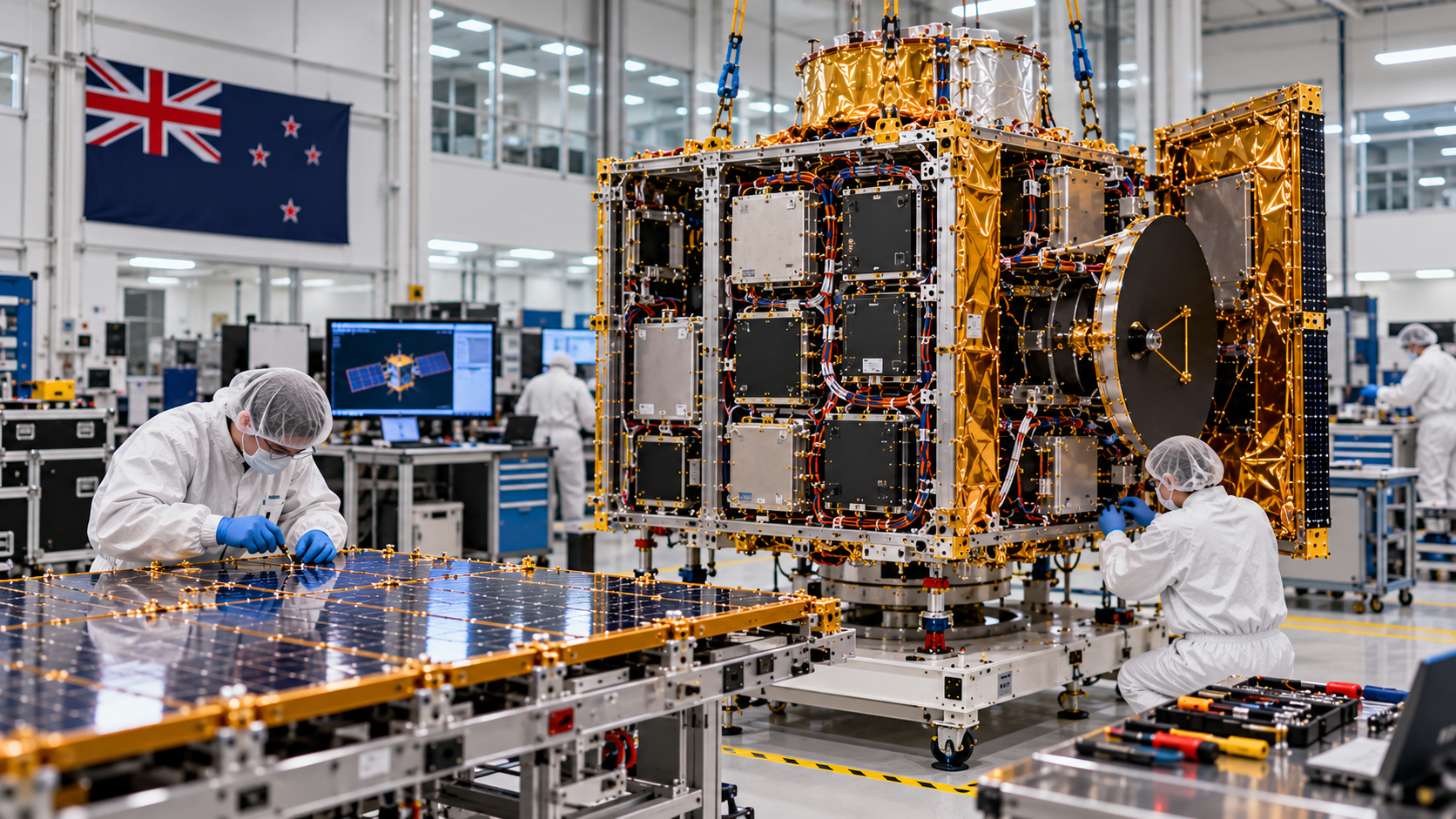
Solar panels are the most common and practical option for satellites in orbits with regular sunlight exposure. Using high-efficiency photovoltaic cells made from materials like gallium arsenide (GaAs) or multi-junction designs, solar arrays convert sunlight into electrical energy with excellent efficiency. Depending on the satellite’s energy needs, arrays can be fixed or deployable, unfolding after launch to increase surface area.
Designing solar arrays involves optimising orientation for maximum sunlight intake, ensuring sufficient energy generation throughout orbital cycles. However, solar panels can degrade over time from radiation and micrometeoroid impacts, gradually reducing their output. Engineers address this by using larger arrays or redundancy to meet power requirements at the end of their lifespan.
Thermoelectric Generators: Power in Deep Space.
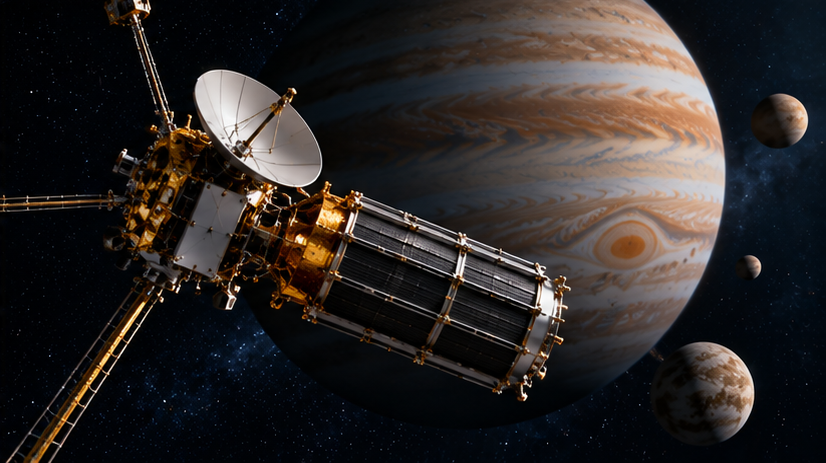
For missions operating in deep space, on the lunar surface during long periods of darkness, or in shadowed regions where sunlight is limited or unavailable, Radioisotope Thermoelectric Generators (RTGs) offer a reliable alternative. RTGs generate electricity by converting heat from the natural decay of radioactive isotopes, usually plutonium-238, into power through thermoelectric materials.
RTGs provide consistent, low-maintenance power for decades, making them ideal for long-duration missions where solar power isn’t feasible, such as probes to outer planets or permanently shadowed lunar craters. Although they are heavy, costly, and subject to strict safety regulations, their independence from solar input and long lifespan make them essential for certain missions.
By choosing between, or combining, solar arrays and thermoelectric generators, engineers can tailor satellite power systems to perform well in both sunlit and deep-space environments.
3. Energy Storage Systems
Energy storage systems are essential parts of satellite power architecture, ensuring continuous operation during times when solar energy is unavailable, such as when the satellite passes through Earth’s shadow or other eclipse conditions. These systems allow satellites to maintain power to critical subsystems, payloads, and thermal regulation during these periods.
Battery Technology.
Lithium-ion (Li-ion) batteries are the most widely used in modern satellites due to their high energy density, lightweight design, and proven reliability in space. Their ability to supply consistent power over extended periods makes them ideal for missions in low Earth orbit (LEO), geostationary orbit (GEO), and beyond.
In more demanding or high-radiation environments, nickel-hydrogen (NiH2) batteries are sometimes preferred for their exceptional cycle life and durability. Although larger than lithium-based systems, they offer better resistance to radiation and can operate effectively over long missions, making them suitable for bigger spacecraft and scientific experiments.
Cycle Life and Capacity.
Batteries on satellites must endure thousands of charge-discharge cycles throughout the mission lifespan, especially in orbits with frequent eclipses. Engineers design storage systems with enough capacity to power all critical systems through each eclipse, considering gradual degradation over time. Oversizing the initial capacity, employing smart power management, and maintaining thermal stability are vital for preserving performance and extending mission life.
Reliable energy storage ensures the satellite remains fully operational regardless of sunlight, making it a key element of resilient satellite design.
4. Power Management and Distribution
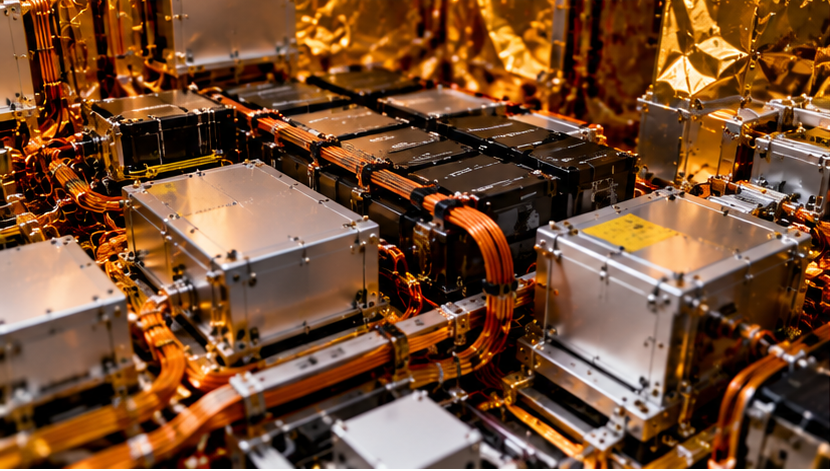
A satellite’s power system must not only generate and store energy efficiently but also manage and distribute it accurately. Power management and distribution systems guarantee that each onboard subsystem, from the payload to thermal control, gets the correct voltage and current at the right moment. Without careful regulation, even a stable power supply can become unreliable or cause damage.
Power Conditioning Units (PCUs).
At the heart of this system are Power Conditioning Units (PCUs), which regulate and stabilise the electrical output from the satellite’s power sources. These units convert raw input from solar panels or batteries into specific voltage levels required by each subsystem. Sensitive instruments, such as cameras, scientific payloads, and communications hardware, are especially vulnerable to voltage spikes or irregular current. PCUs ensure these components receive clean, consistent power, reducing the risk of malfunction or permanent damage.
Redundancy and Fail-Safes.
To maximise reliability, satellite power management systems are designed with built-in redundancy. This means that if a primary component, such as a voltage regulator or distribution switch, fails, a secondary system can take over immediately. These fail-safes are vital for long-duration missions where maintenance is impossible, and failure of a single power node could threaten the entire satellite.
Load Prioritisation.
Satellites also employ load prioritisation strategies to manage limited power during high-demand or low-generation periods, such as during an eclipse. In these situations, critical systems like attitude control, communication, and thermal regulation are given priority. Non-essential systems, such as secondary payloads or non-critical data storage, might be temporarily powered down to conserve energy.
Advanced power management also includes real-time telemetry, allowing operators to monitor energy flow and identify anomalies. As satellite missions become more complex, intelligent power distribution systems that adapt dynamically to changing loads and conditions are becoming increasingly essential.
Essentially, effective power management converts raw energy into mission success by maintaining stability, ensuring continuity, and providing control across the entire spacecraft.
5. Thermal Considerations
Thermal management is vital in satellite power system design because space exposes spacecraft to extreme and rapid temperature changes. As a satellite moves in and out of direct sunlight during its orbit, components can experience shifts between scorching heat and freezing cold, which strongly affect the performance and lifespan of solar panels, batteries, and onboard electronics.
Thermal Regulation.
To keep operating temperatures optimal, satellites use thermal control systems that combine radiators, thermal coatings, insulation, and heat pipes. Radiators release excess heat into space, while insulation and coatings help limit heat absorption when exposed to the sun. Heat pipes transfer heat away from sensitive power components efficiently, maintaining stable internal temperatures despite external fluctuations.
Component Temperature Tolerance
All power components are designed to endure wide thermal extremes. Batteries are especially sensitive; overheating can reduce capacity, and freezing conditions can hinder performance or cause permanent damage. Similarly, voltage regulators and other electronics must operate reliably across a broad temperature range to ensure a continuous power supply.
Engineers perform detailed thermal modelling during the design process to simulate these conditions and confirm that power systems stay stable under all expected scenarios. Some spacecraft also incorporate active thermal control, such as electrical heaters or variable conductance systems, to manage hotspots and prevent failures caused by temperature extremes.
Without proper thermal management, even the most advanced power systems can become unreliable, highlighting their importance for overall satellite reliability and mission success.
6. Radiation and Space Environment
The space environment poses significant challenges for satellite operations, mainly due to constant exposure to radiation. High-energy particles from solar flares, the Van Allen radiation belts, and cosmic rays can damage onboard electronics, sensors, and solar panels, sometimes permanently. Over time, this radiation exposure may cause system malfunctions, lower performance, and shorter mission lifespans if not properly managed.
Radiation-Hardened Components are a crucial solution. These specialised parts are designed to work reliably in high-radiation environments. They are made using materials and techniques that reduce susceptibility to radiation-induced errors like single-event upsets and latch-ups. While more expensive than standard commercial parts, radiation-hardened systems provide greater reliability for long-term space missions.
Shielding is another essential protective measure. Engineers employ materials like aluminium, tantalum, or advanced composites to create barriers around sensitive systems. These shields help absorb or deflect incoming radiation, lowering the dose reaching vital components such as onboard computers, communication systems, and power supplies.
Radiation also affects solar panel efficiency, gradually reducing their ability to convert sunlight into electricity. To counter this, solar arrays are built with radiation-tolerant photovoltaic materials and coated with protective films.
Mitigating the effects of radiation through robust design, shielding, and careful component choice is vital for maintaining satellite health, achieving mission success, and extending operational lifespan in the tough environment of space.
7. Efficiency and Miniaturisation
Efficiency and miniaturisation are vital priorities in satellite power system design, driven by strict limitations on mass, volume, and launch costs. Every gram and cubic centimetre must be justified, making it essential for power systems to deliver the highest possible energy output with the smallest footprint.
Compact Solar Arrays.
Advances in deployable solar arrays and high-efficiency materials like multi-junction photovoltaic cells have greatly improved the energy-to-mass ratio of satellite power systems. Deployable panels enable satellites to launch in a compact configuration and expand in orbit, maximising surface area for solar collection without impacting launch volume. These lightweight structures can generate significant power while keeping structural mass low—crucial for both small satellites and larger spacecraft with high energy needs.
Integrated Power Designs.
Modern satellites increasingly depend on integrated power units that combine multiple functions, such as power generation, regulation, and distribution, into a single, compact system. This not only cuts down on mass and wiring complexity but also enhances thermal performance and system reliability. Integration allows for more efficient use of internal space and simplifies the overall spacecraft architecture.
Efforts in miniaturisation are especially critical for small satellites, such as CubeSats and microsatellites, where available space is very limited. Engineers utilise customised electronics, lightweight enclosures, and printed circuit board stacking to maximise functionality within minimal volume.
As satellite missions require more capability in smaller packages, continuous innovation in efficient, compact power systems is key to unlocking new levels of performance, agility, and affordability in space operations.
8. Longevity and Reliability
Reliability and longevity are essential in satellite power system design. Whether supporting a short-term low Earth orbit (LEO) mission or a multi-decade geostationary or deep-space operation, the power system must perform reliably throughout the satellite’s lifespan, often without maintenance or repair options.
Testing and Qualification.
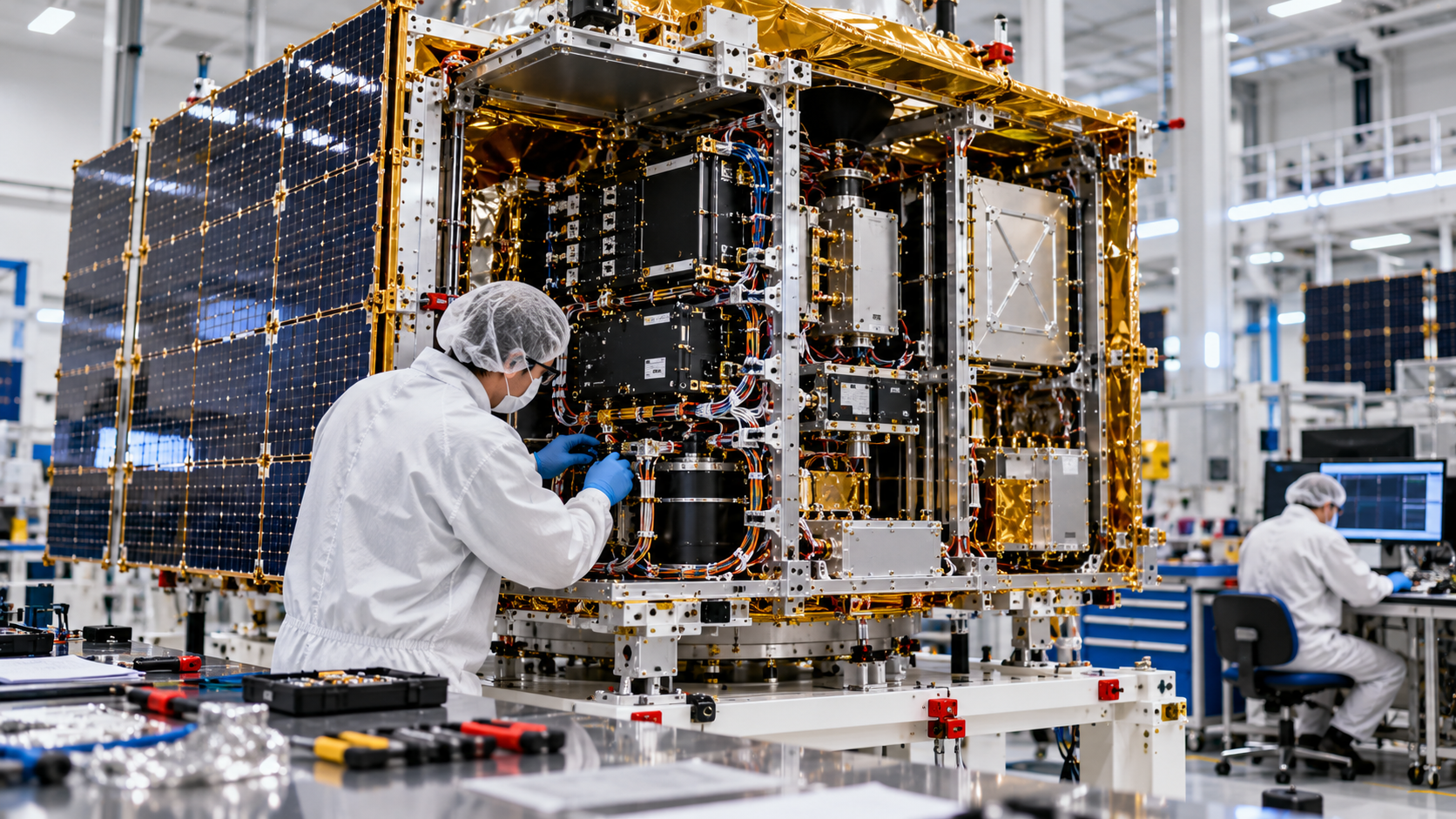
All power system components undergo extensive testing and qualification under simulated space conditions to guarantee durability. These tests include exposure to thermal cycling, vacuum, radiation, vibration, and shock to mimic the harsh environment of launch and orbit. Batteries are stress-tested through thousands of charge-discharge cycles, while solar arrays are evaluated for degradation over time due to radiation and micrometeoroid impacts. Only components passing these rigorous assessments are approved for integration.
Redundancy and Fault Tolerance.
Power systems are also built with redundancy, especially for mission-critical parts like solar panels, batteries, and power regulators. Redundant units are kept in reserve and activate automatically or from ground control if a primary component fails. This design greatly reduces the risk of mission failure and ensures uninterrupted power even if hardware degrades or malfunctions.
Long-Term Stability.
Apart from mechanical reliability, power systems must maintain electrical and thermal stability over time. This includes keeping consistent voltage regulation, efficient energy storage, and proper thermal management despite component aging and environmental stresses.
A well-engineered, thoroughly tested, and redundantly designed power system is crucial to mission success, forming the basis for long-term satellite operations in the challenging space environment.
9. Environmental Impact
As the number of satellites in orbit increases, the environmental impact of satellite design, particularly power systems, is becoming an increasingly significant concern. Sustainable engineering approaches are now being integrated into the development of satellite power systems to reduce both orbital and terrestrial environmental footprints.
Sustainable Materials.
Modern satellite designers are exploring the use of recyclable, non-toxic, and biodegradable materials in power system components whenever feasible. For instance, selecting less hazardous substances in batteries and reducing reliance on rare or environmentally damaging materials helps lower the long-term ecological impact. Innovations in lightweight composites and low-impact manufacturing processes also contribute to creating a more sustainable production system.
End-of-Life Planning.
A key part of lowering environmental impact is careful end-of-life (EOL) planning. Satellites are increasingly required to have deorbiting mechanisms, such as propulsion systems or drag sails, which enable controlled re-entry or movement to a designated graveyard orbit. This helps prevent abandoned satellites from contributing to the growing space debris problem, which threatens operational spacecraft and future missions.
Minimising Orbital Footprint.
Engineers are also creating modular and reusable power systems, enabling components to be serviced, upgraded, or repurposed, particularly for future satellite constellations.
These approaches support the broader aim of responsible space stewardship. Including environmental considerations in power system design lessens ecological impact and aids compliance with emerging international standards and regulations, fostering a more sustainable future for space activities.
10. Cost Considerations
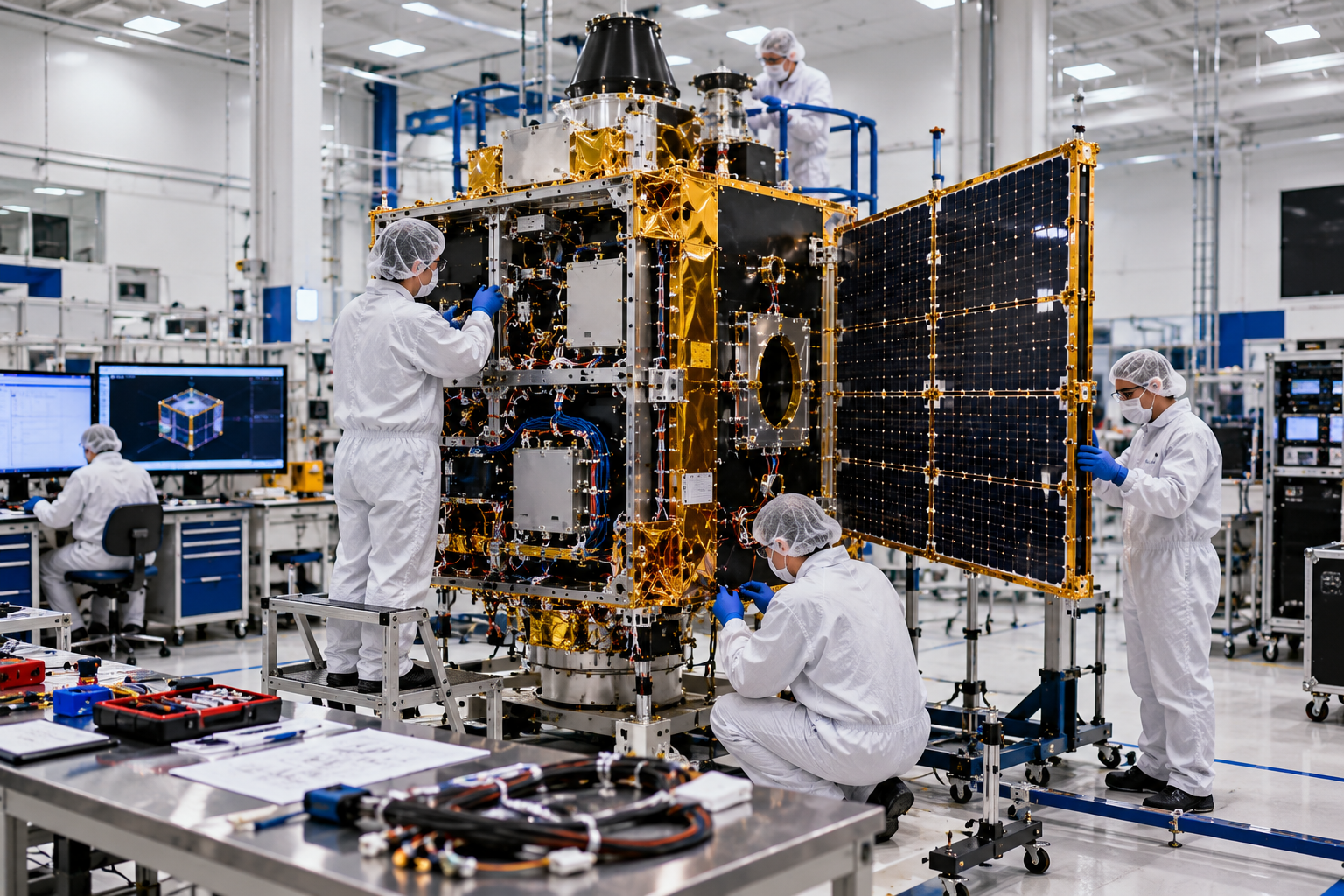
Cost is vital in satellite power system design, influencing nearly every engineering choice. Budget constraints often require careful trade-offs between performance, reliability, and affordability. While advanced technologies such as high-efficiency solar cells, lightweight composite structures, and radiation-hardened electronics can significantly improve power system performance, they usually come with higher costs.
Engineers must balance using proven, cost-effective components and adopting newer, more efficient systems that might offer long-term advantages but increase initial expenses. For instance, while gallium arsenide solar cells deliver superior efficiency, silicon-based alternatives may be more economical for short-term or small-scale missions.
Reliability also plays a role in the cost considerations. Incorporating redundancy, choosing long-life batteries, and conducting thorough environmental testing enhance mission success rates but add to overall costs. Conversely, reducing redundancy or selecting cheaper materials can cut expenses but might increase risks, particularly for long-duration missions.
To handle these trade-offs, satellite designers often focus on cost based on mission objectives. A CubeSat might aim for minimal expense and a short operational lifespan, while a geostationary satellite requires robust, durable systems regardless of higher costs. Achieving the right balance is crucial to achieving mission success within budget constraints.
Conclusion
Designing a satellite power system is a complex and vital task that involves balancing efficiency, reliability, and adaptability to the tough conditions of space. Every element, from choosing solar panels to configuring energy storage and designing power management systems, must work smoothly to support the satellite’s mission goals.
Success depends not only on providing enough energy but also on doing so within strict limits on mass, volume, and cost. Engineers must expect and overcome challenges such as thermal extremes, eclipse periods, component wear, and long mission durations.
As satellite missions become more advanced, supporting everything from real-time communications to deep-space science, power systems must develop alongside. Innovations like lightweight deployable solar arrays, radiation-resistant battery technologies, and smart power distribution systems are helping push the boundaries of what’s achievable.
Looking forward, power systems will become even more autonomous, efficient, and sustainable, supporting both small satellite groups and long-term exploration missions. By carefully tackling the technical and environmental challenges in power system design, engineers are helping the next generation of satellites to operate longer, travel further, and perform more complex tasks, driving innovation across Earth’s orbit and beyond.